Con Bush Safaris

info@conbushsafaris.com +255 764 808 021 Arusha / Usa River, Tanzania
Hero background
Northern Tanzania · UNESCO World Heritage

Serengeti
National Park

where the wild lives

there's a reason the serengeti is the name everyone knows. endless golden plains, the great migration, predators in their prime — this is africa at its most cinematic, and the heart of nearly every journey we craft. we know its rhythms by season and its secrets by heart, and we place you right where the wild feels closest.

14,750sq km
1.5Mwildebeest
3,000+lions
1951established
500+bird species
Scroll
the land

the endlessplains

"Siringitu — the place where the land moves on forever."
— Maa proverb

the serengeti isn't somewhere you visit — it's a rhythm you step into. an ancient, unbroken cycle of birth and migration, predator and prey, sun and storm, playing out across these golden plains for more than two million years. to stand here at dawn and watch a million animals move as one across the horizon is to feel time itself slow into something older than words.

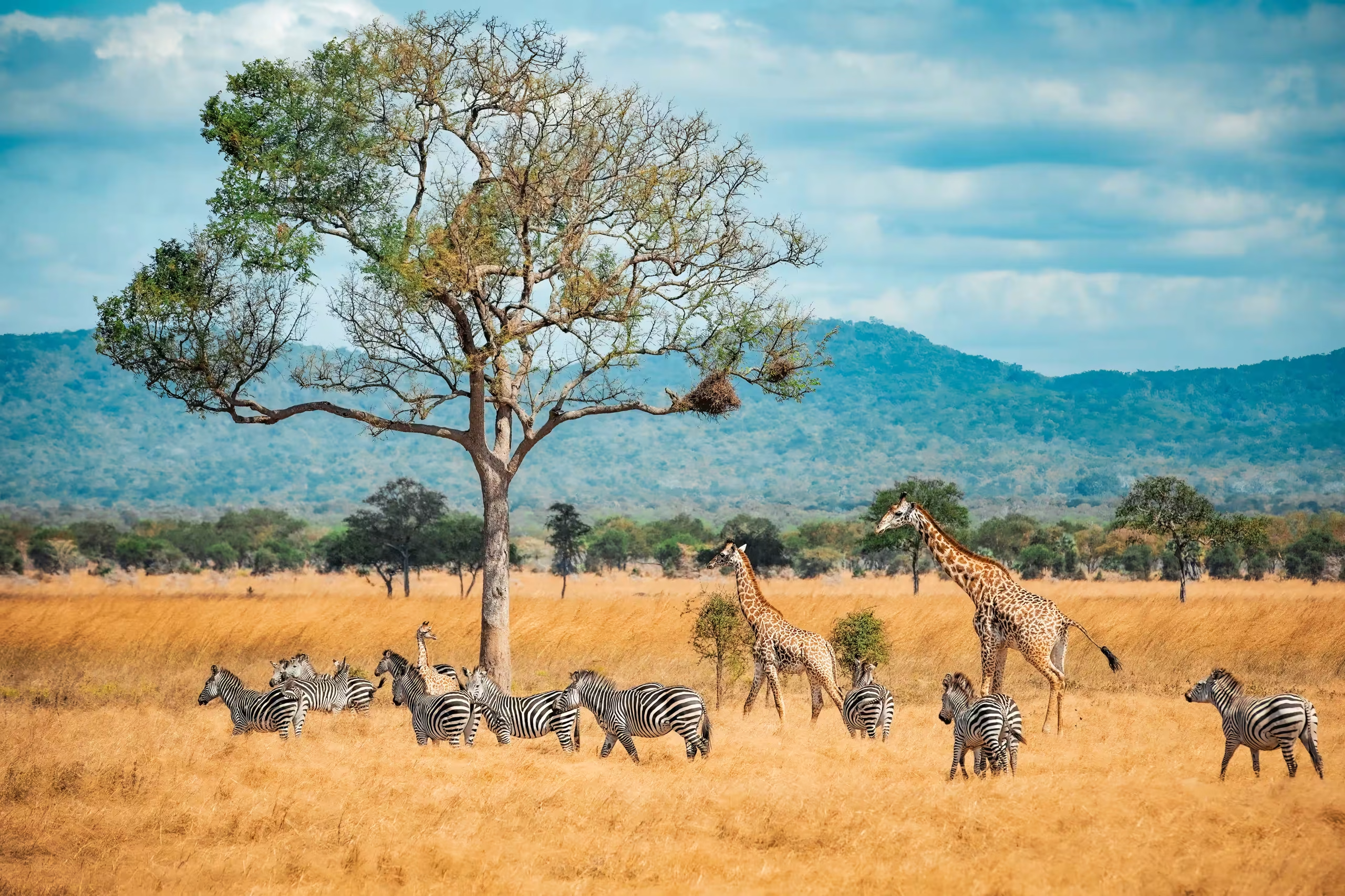
stretching across 14,750 square kilometres of northern tanzania, the serengeti is one of the last great wildernesses on earth — a place where wildlife still moves in numbers almost beyond imagining. one and a half million wildebeest. two hundred and fifty thousand zebra. three hundred and fifty thousand gazelle. they follow the rain and the grass in the largest mammal migration the planet has ever known, drawing lions, cheetahs, hyenas, crocodiles and the most patient of leopards into the greatest theatre of survival in the natural world.

"There is more wildlife within sight of a single acacia tree here than in some entire countries. The Serengeti makes you understand what the world was before us — and what it could still be."

but the serengeti is so much more than its migration. there are the kopjes — ancient granite outcrops that rise from the savannah like islands in a sea of grass, home to leopards, hyrax, and lions who have made these rocks their thrones for generations. there are acacia woodlands where elephants gather at dusk, rivers thick with hippos, plains dotted with lone umbrella trees, and skies so vast they seem to belong to another age entirely.

for the maasai, who have shared these lands for centuries, serengeti — siringitu — means "the place where the land moves on forever." there's no better description. nothing quite prepares you for the scale, the silence, the sheer abundance of life. you don't really visit the serengeti — you bear witness to it.

the great migration

two million strongan ancient circuit

each year, more than two million animals trace a great clockwise circuit across the serengeti–mara ecosystem, driven by the endless search for fresh grass and water. to see it is to witness deep time itself. here's where they are, month by month.

Jan – Mar

calving in the south

up to 8,000 wildebeest calves are born each day on the short-grass plains around ndutu. the most concentrated predator activity on earth — lions, cheetahs, hyenas and jackals working the edges.

Apr – Jun

moving north and west

as the long rains arrive, the herds drift through the central seronera valley toward the grumeti reserves and the western corridor. lush green plains, fewer travellers, and photography at its best.

Jul – Sep

the mara crossings

the dramatic river crossings — wildebeest plunging from cliff faces into the mara's churning waters, giant nile crocodiles waiting below. unpredictable, unscripted, unforgettable.

Oct – Dec

the return south

as the short rains begin, the herds turn back toward ndutu, completing a circuit unbroken for tens of thousands of years. quieter parks, beautiful light, and the whole cycle starting over.

why serengeti

six reasons it standsalone

of all the wild places in africa, the serengeti is the one no serious traveller skips. here's why it earns its name — and why our travellers come back again and again.

No. 01

the great migration

nature's greatest spectacle: two million animals moving as one, predators in pursuit, rivers crossed at full tilt, life and death playing out against an endless horizon.

No. 02

the highest lion density in africa

more than 3,000 lions live across the serengeti ecosystem — including the famous marsh pride and the lions of the seronera. you'll see them often, and up close.

No. 03

cheetah country

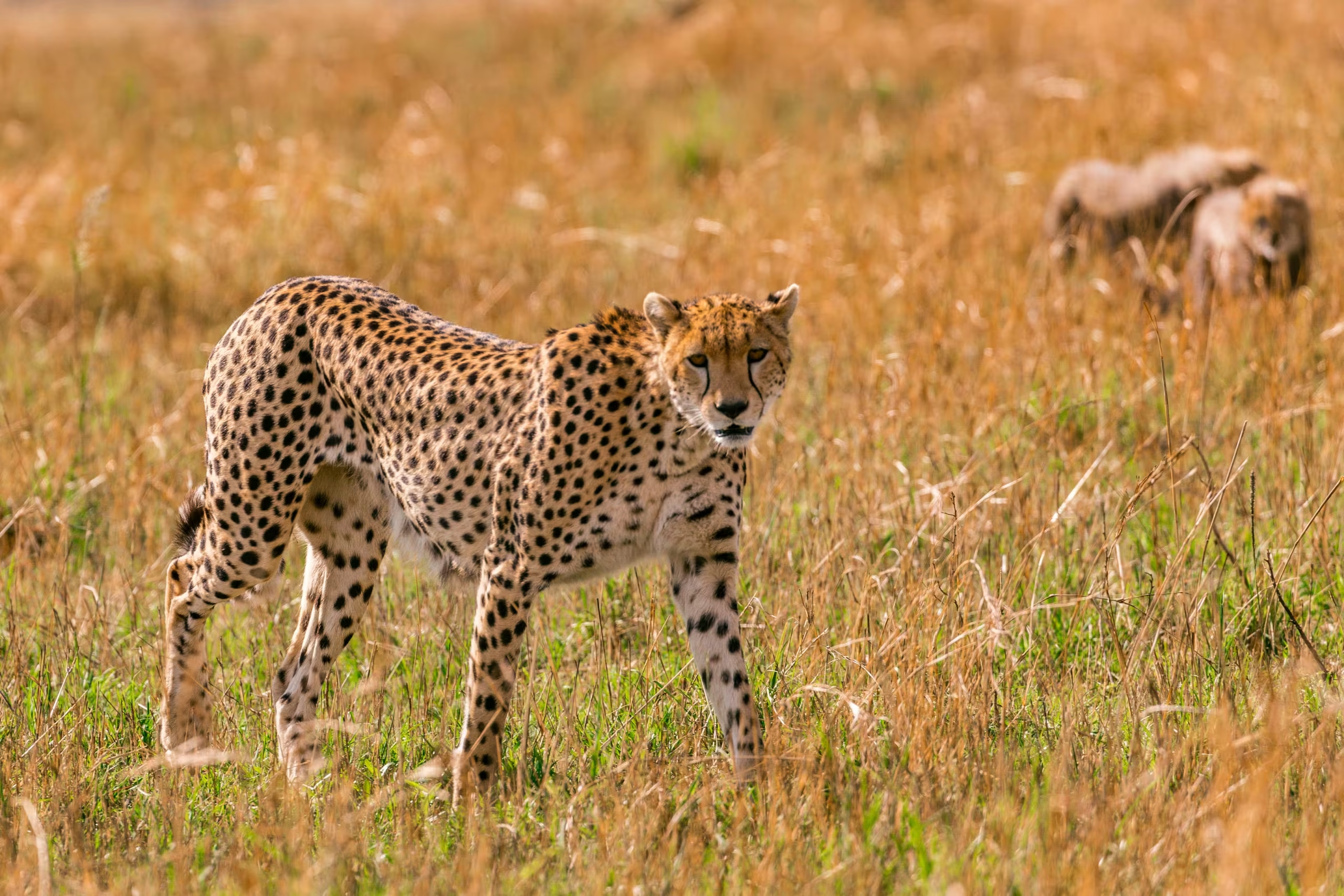
the open short-grass plains are perfect cheetah country. few places in africa give you a better chance of seeing one at full sprint — 70 mph in three seconds.

No. 04

hot air balloon at dawn

lift silently above the plains as the sun comes up, watching the herds and predators stir below. a champagne breakfast in the bush when you land. one of the great travel experiences anywhere in the world.

No. 05

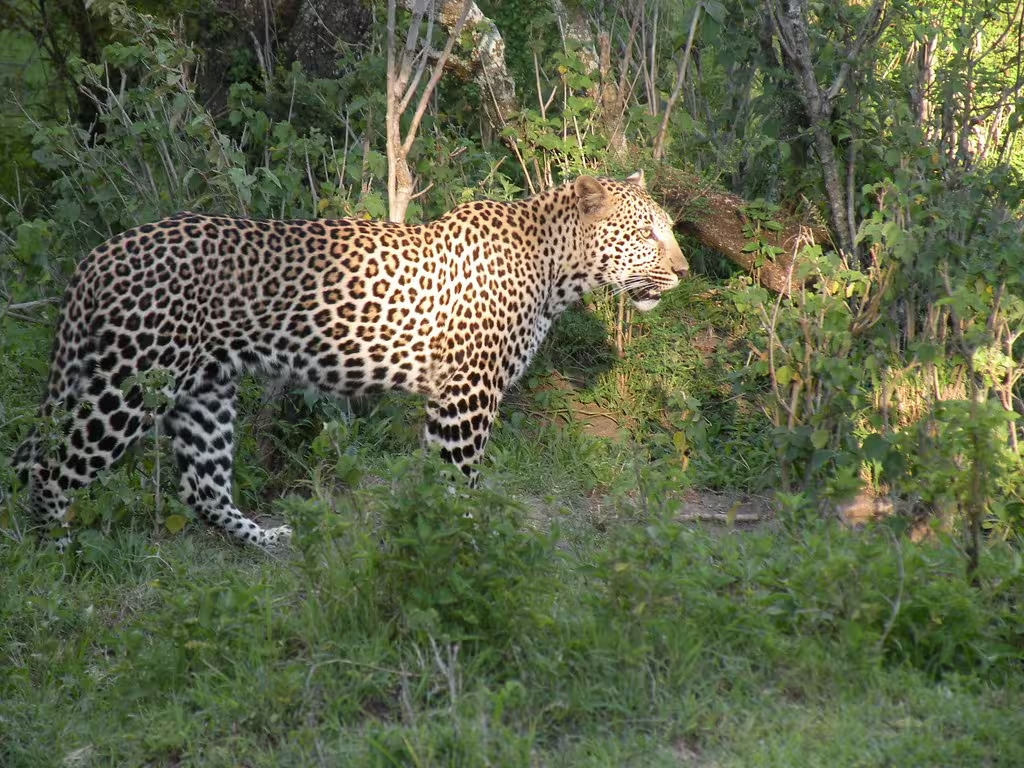
kopjes & leopards

ancient granite outcrops — kopjes — rise from the savannah like islands, sheltering leopards, hyrax, and lion prides that have ruled these rocks for generations. the serengeti's most cinematic backdrops.

No. 06

year-round wildlife

unlike many african parks, the serengeti gives you wonderful wildlife viewing every month of the year. the migration is the headline — but the resident plains game, predators and birdlife never go anywhere.

the wildlife

an impossiblebestiary

the serengeti holds the big five and far more — over 70 large mammal species and 500 birds. from the tiniest dik-dik to the grandest tusker, from secretary birds stalking the grass to lilac-breasted rollers blazing across the sky, the variety is staggering.

Lion

african lion

3,000+ across the ecosystem

Leopard

leopard

the kopje phantom

Cheetah

cheetah

70 mph in 3 seconds

Elephant

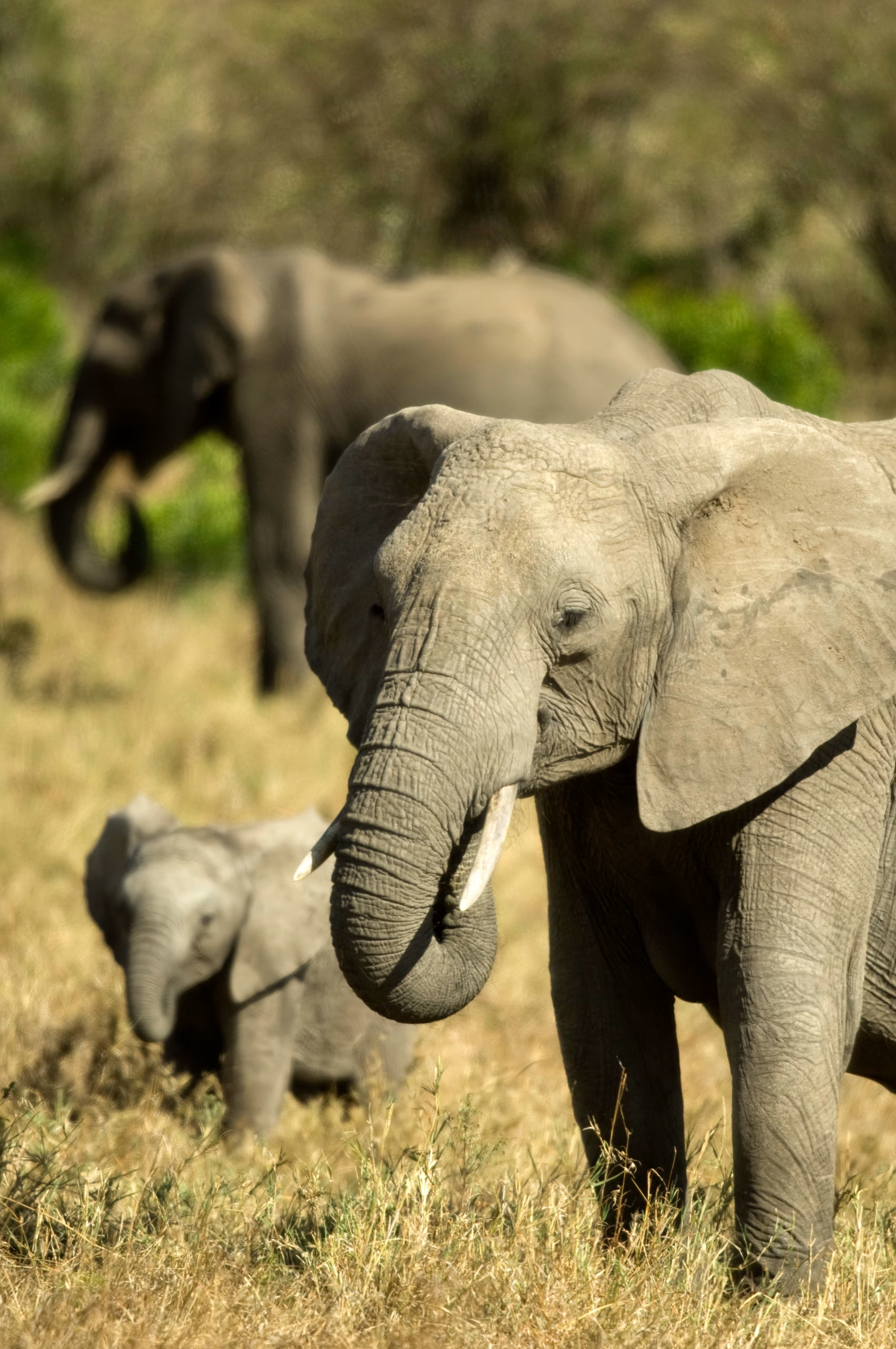
african elephant

plains and woodland herds

Buffalo

cape buffalo

herds of 500 strong

Wildebeest

wildebeest

1.5 million migrants

Giraffe

masai giraffe

acacia browsers

Zebra

plains zebra

250,000 in migration

when to visit

every month tellsa different story

the serengeti rewards every season — but each month wears a different face. whether you're chasing the migration, calving season, the dry-season predators or the green-season birding, here's a month-by-month guide.

Jan

calving begins

ndutu fills with newborn wildebeest. cheetah and lion action peaks.

Feb

peak calving

8,000 calves born daily. the most concentrated predator viewing of the year.

Mar

herds move north

long rains begin. lush, dramatic, fewer tourists, beautiful skies.

Apr

green season

heavy rains. spectacular birding, newborn antelope, low rates.

May

rains ease

plains glow emerald. herds pushing through central seronera.

Jun

dry season opens

western corridor action begins. grumeti river crossings imminent.

Jul

mara crossings start

herds reach the mara river. the dramatic crossings begin in the north.

Aug

peak crossings

the iconic month. mara river crossings at full intensity. book a year ahead.

Sep

northern serengeti

crossings continue. crystal-clear skies, peak predator viewing.

Oct

herds turn south

last of the crossings. quieter parks, beautiful golden light.

Nov

short rains

the cycle begins again. migration funnels back toward ndutu.

Dec

festive plains

green, beautiful, manageable crowds. herds settling in southern plains.

Peak season Shoulder / green season
Six iconic experiences
things to do

the serengeti
experience in full

Six iconic ways to immerse yourself in the world's most legendary wilderness — from the silence of dawn balloon flights to the thunder of migration crossings.
Game drive Activity 01

game drivesdawn & dusk

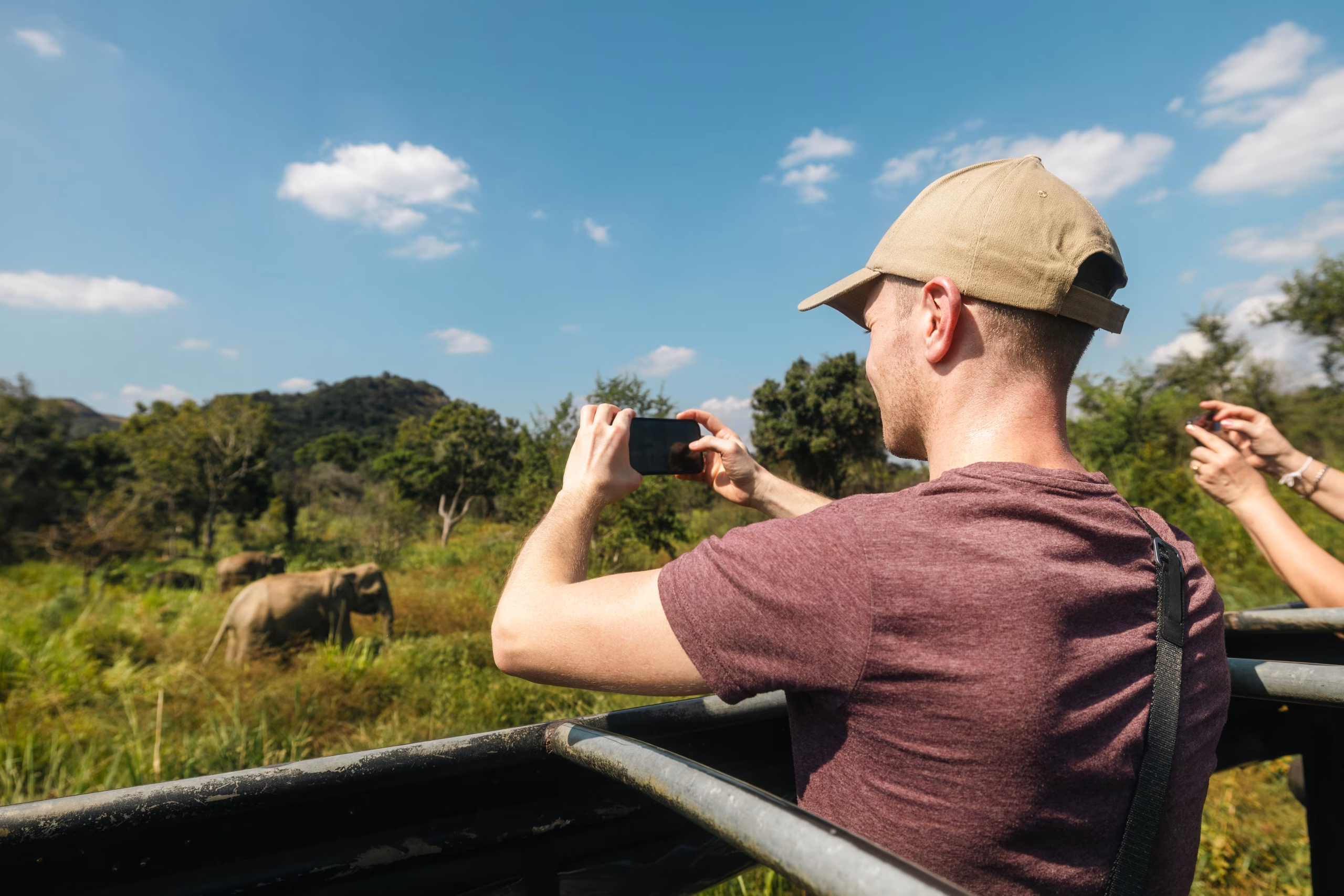
the heart of every serengeti journey. custom 4×4 land cruisers with pop-up roofs, guided by our most experienced trackers — people who've read these plains in our first two years. morning and afternoon drives come with every itinerary.

Explore Activity
Duration4–10 hrs
Best timeDawn / Dusk
IncludedAll safaris
Hot air balloon Activity 02

hot air balloonat first light

lift silently above the plains as the sun rises behind the kopjes. an hour of near-perfect quiet — just the soft roar of the burner — as the herds, predators and great rivers slide by beneath you. and a champagne breakfast in the bush when you land.

Explore Activity
Duration3 hrs
Departs05:30
From$590pp
Walking safari Activity 03

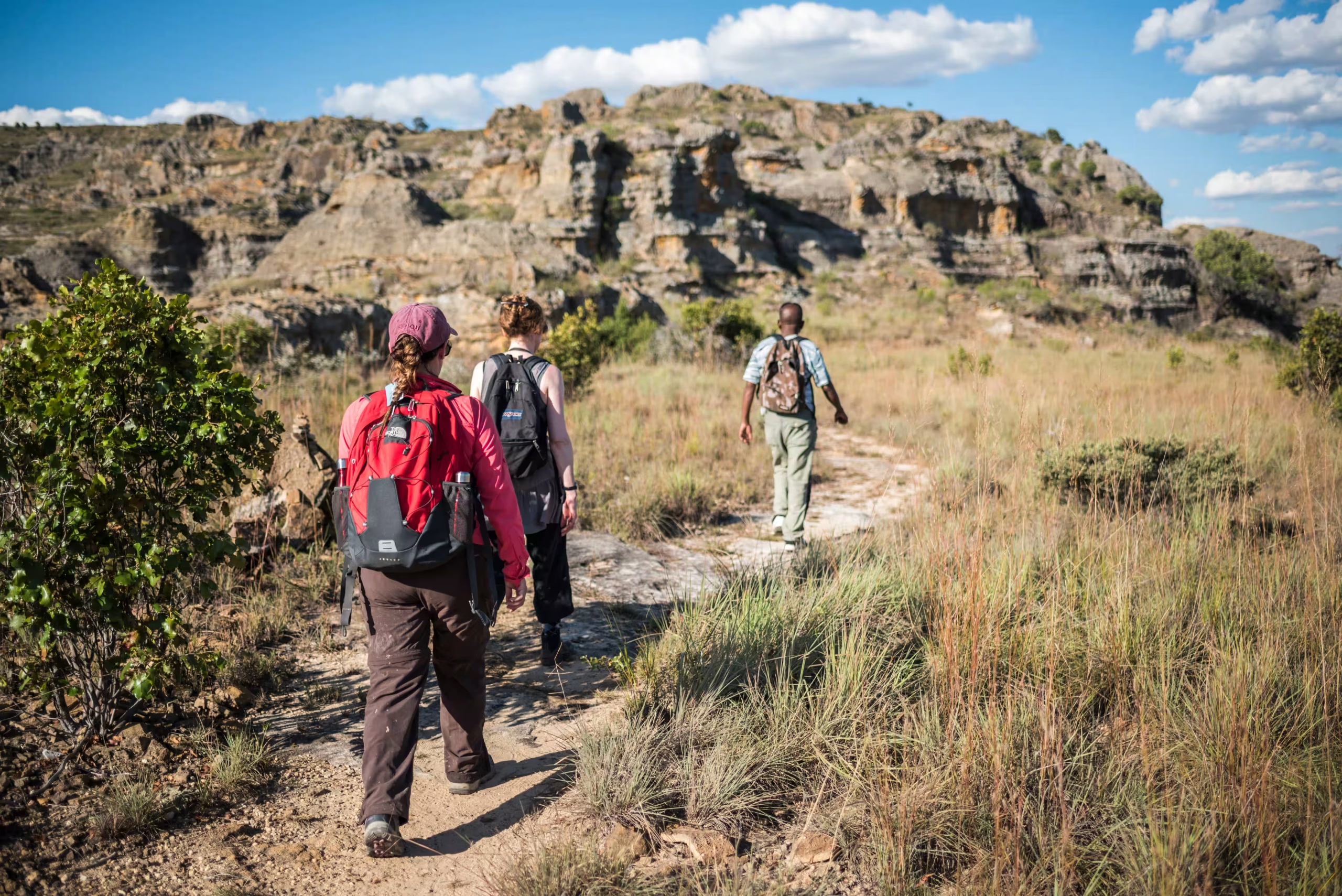
walking safarison foot, fully aware

in the private concessions — singita grumeti, klein's camp, loliondo — walking safaris are allowed, with armed rangers and specialist guides. the most immediate way there is to feel the serengeti: grass underfoot, the scent of crushed sage.

Explore Activity
Duration2–4 hrs
WhereConservancies
From$120pp
Maasai cultural visit Activity 04

cultural visitspeople of the plains

a respectful visit to a maasai boma — arranged through community-run partnerships — offers a real window into a way of life far older than the park itself. traditional songs, the warrior dance, beadwork, and conversations with the elders.

Explore Activity
Duration2 hrs
WhereBoundary villages
Cost$40pp
Bush dining Activity 05

bush diningunder the acacia

a private breakfast or sundowner laid out beneath a lone acacia — white-linen tables, bush-trained chefs, the sound of the plains waking around you. endless horizons. perhaps the most romantic meal of your life.

Explore Activity
Duration2 hrs
SettingBush location
From$95pp
Photography safari Activity 06

photography safariswith specialist guides

specially fitted vehicles with bean bags, gimbal mounts, and side pods removed for clear lens lines. guided by professional wildlife photographers who understand light, animal behaviour, and exactly where to put the vehicle for the perfect shot.

Explore Activity
DurationFull day
WherePark-wide
From$280pp
01 / 06
where to stay

from luxury tents tomobile camps

the serengeti has somewhere to stay for every kind of traveller — from honeymooners after five-star indulgence to migration-chasers in lightweight mobile tents that follow the herds. we work across all three tiers, and we choose for fit, never for commission.
Luxury camp
— tier 01 · luxury

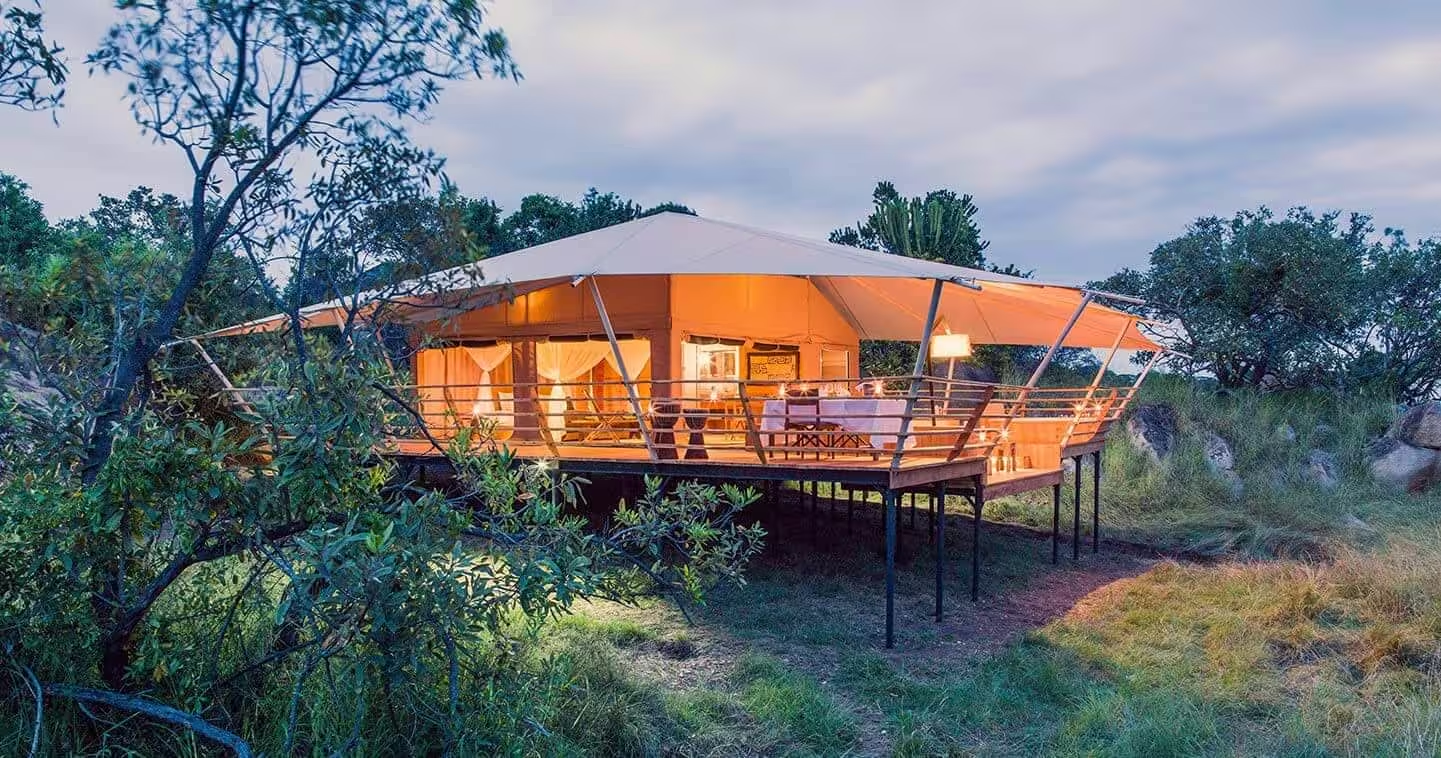
tented suites & lodges

from $850 — $2,200 per person per night

permanent and semi-permanent tented camps with private decks, plunge pools, hand-crafted furniture, full-service spas, and your own guide. often in exclusive concession areas with no other camps in sight.

  • Singita Sasakwa & Faru Faru
  • Sayari Camp (Asilia)
  • Four Seasons Bilila Lodge
  • One Nature Mara River
Mid-range camp
— tier 02 · mid-range

classic lodges & tents

from $380 — $620 per person per night

comfortable, well-appointed lodges and permanent tented camps in prime spots. lovely food, hot showers, full game-drive programmes, and the very same wildlife as the luxury tier — at a fraction of the cost.

  • Serengeti Serena Safari Lodge
  • Mbuzi Mawe Tented Camp
  • Kati Kati & Kubu Kubu
  • Lemala Ewanjan
Mobile camp
— tier 03 · migration mobile

mobile tented camps

from $260 — $480 per person per night

lightweight camps that pack down and travel with the migration — ndutu in calving season, the western corridor in june, the mara crossings from august to october. a little less luxury, a lot more authentic — and always right at the heart of the action.

  • Ang'ata Migration Camps
  • Asanja Africa Mobile
  • Lemala Mara & Ndutu
  • Olakira Camp
getting there

by airor by road

the serengeti is well-connected by both air and road. most travellers fly into kilimanjaro international (jro) and carry on from there — either by light aircraft to one of the park's many airstrips, or overland through ngorongoro crater and the olduvai gorge.

by air

daily scheduled light aircraft

from arusha and kilimanjaro, daily flights serve seronera (central), kogatende (north), grumeti (west), kirawira and lobo airstrips. a 60–90 minute flight. carriers: coastal, auric air, regional air.

by road

the northern circuit drive

from arusha via manyara, ngorongoro and the olduvai gorge — 7–8 hours of ever-changing landscape, with stops for wildlife and maasai villages. the drive itself becomes part of the safari.

combine

the classic combination

pair the serengeti with ngorongoro crater (1.5 hrs by road) and tarangire (3 hrs). add zanzibar at the end for the full tanzania — savannah, crater, and beach.

entry fees

park & conservation

park entry is $70 per adult per day, $20 for children 5–15. camping and concession fees are extra. all park fees are wrapped into our standard itinerary pricing.

frequently asked

practicalquestions

two years of guiding the serengeti means we've answered these questions many times over. if there's something we haven't covered, just ask — we reply to every enquiry within 24 hours.

we'd suggest at least three nights to do the serengeti justice — though four or five is the real sweet spot. the park is vast, the wildlife moves with the season, and rushing it would be a shame. many of our travellers pair three nights here with two in ngorongoro and one or two in tarangire for a complete northern circuit.
the dramatic mara river crossings usually run from late july through early october in the northern serengeti. the grumeti crossings in the western corridor happen in june and early july. both are unpredictable by nature — we can't promise a crossing on any given day — but staying three nights or more in the right region during peak months gives you an excellent chance.
yes. tanzania is one of the most politically stable countries in africa, and the serengeti has been welcoming travellers since 1951. our guides are licensed, our vehicles fully insured, and every camp follows strict safety protocols. the usual sense applies in any wild place — listen to your guide, stay in the vehicle in core game-viewing areas, and follow camp protocols after dark.
neutral colours (khaki, olive, beige — steer clear of bright shades, and especially blue and black, which draw tsetse flies), light layers for cool mornings and evenings, a wide-brimmed hat, sunglasses, sturdy walking shoes, binoculars (essential), and a good camera with a 200mm+ lens. most camps do laundry. we send a detailed packing list to everyone once their trip is confirmed.
the serengeti is in a malaria zone, so anti-malarial tablets are strongly advised — do talk it through with your doctor or a travel-health clinic. a yellow fever vaccination is required if you're arriving from a country where yellow fever is present. routine jabs (tetanus, hepatitis a, typhoid) should be up to date. we send full health guidance with every booking.
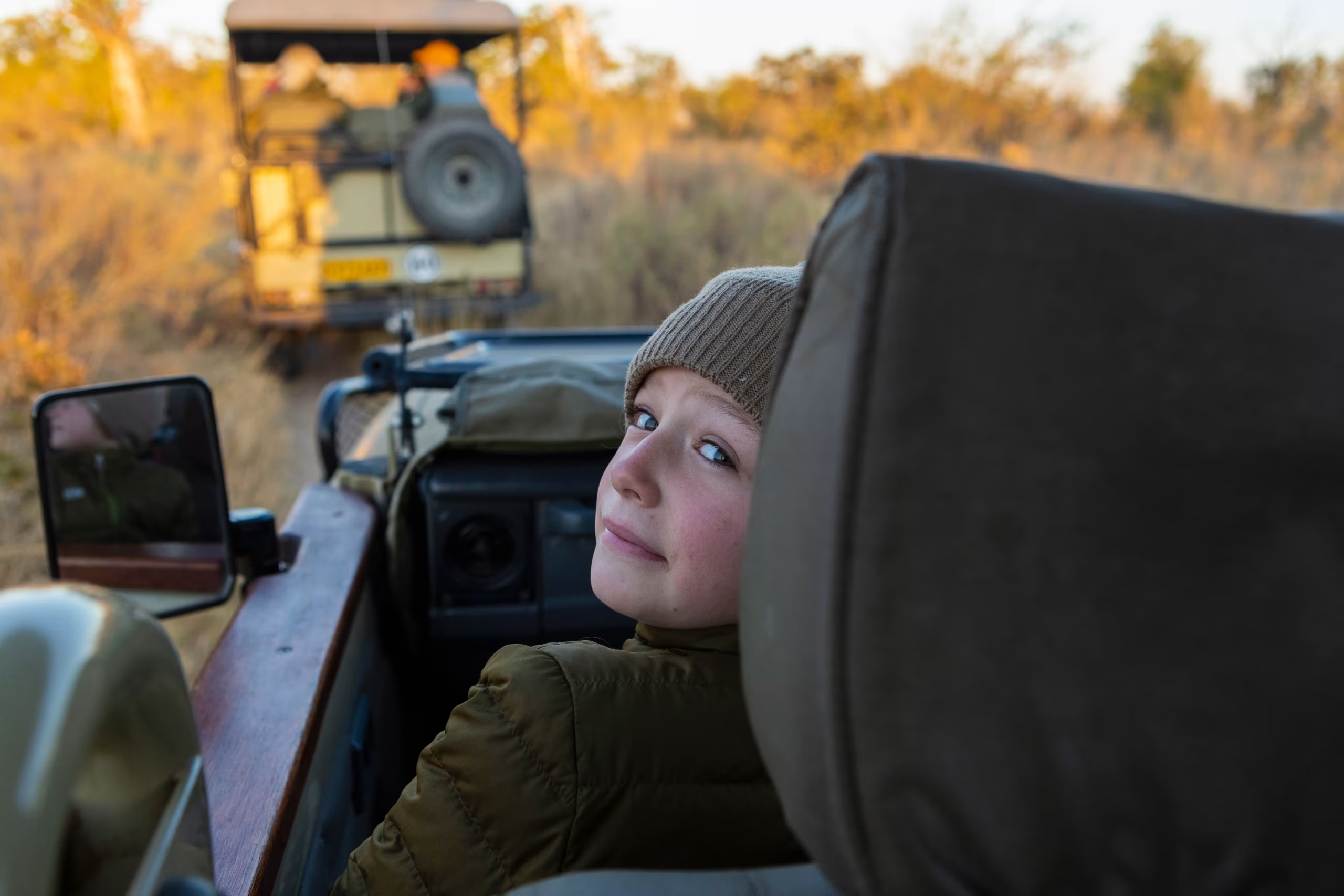
absolutely. most lodges and camps welcome children, and many are built for families — with kid-sized safari activities, child-minding, and family rooms. a few luxury properties set minimum ages (usually 6 or 8). we shape every family itinerary around the ages of the children travelling.
begin your journey

your serengetiawaits

every con bush safaris journey is built around you — your dates, your budget, your dreams. tell us when you'd like to travel, and we'll shape an itinerary that puts you in exactly the right place at exactly the right moment.

Loading itinerary…
Saved Trips