Con Bush Safaris

info@conbushsafaris.com +255 764 808 021 Arusha / Usa River, Tanzania
Hero background
Western Tanzania · Wild Chimpanzees

Mahale Mountains
National Park

where chimps live wild

mahale may be the most beautiful place we send anyone — forested mountains tumbling straight into the clear blue of lake tanganyika, with wild chimpanzees living in the hills above. remote, romantic and utterly unforgettable, it rewards the journey many times over.

1,613sq km
1,000+wild chimps
1985established
2,462mNkungwe peak
Tanganyikaworld's 2nd deepest
Scroll
the land

a mountain rainforestrising from the lake

"There is no place in Africa quite like this. The mountains, the lake, the chimpanzees — it is its own world entirely."
— Jane Goodall

mahale is unlike anywhere else in africa. the mahale mountains rise sheer from the eastern shore of lake tanganyika — the world's second-deepest lake — climbing through dense rainforest to peaks above 2,400 metres. there are no roads. there's no electricity grid. the only way in is by light aircraft, the only way around is by boat or on foot, and the whole experience is shaped by the mountains, the lake, and the chimpanzees.

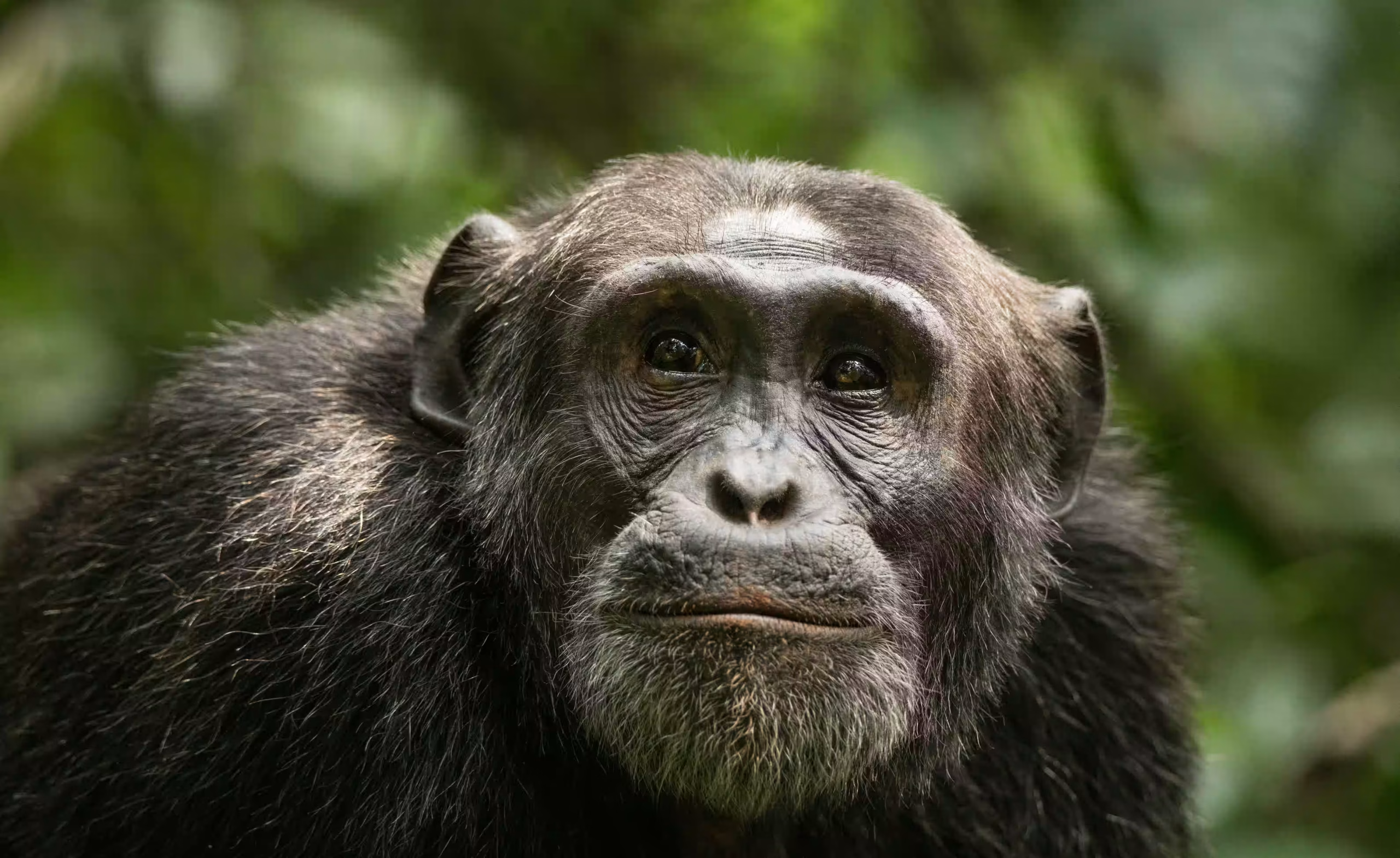
the chimps are the headline. some 1,000 wild chimpanzees live in the mahale forests — and the mimikere "m" group of around 60 has been studied and habituated since 1965 by kyoto university researchers. the result is one of the great wildlife experiences on the planet: tracking these chimpanzees on foot through their forest, finding them feeding, grooming, fighting, playing, and watching them from a few metres away. no barriers, no cages. just chimps in their world, and you, a guest in it.

"To sit on a steep forest slope ten metres from a chimpanzee mother grooming her infant is to feel humanity reach across the species barrier. There is no other safari experience like it."

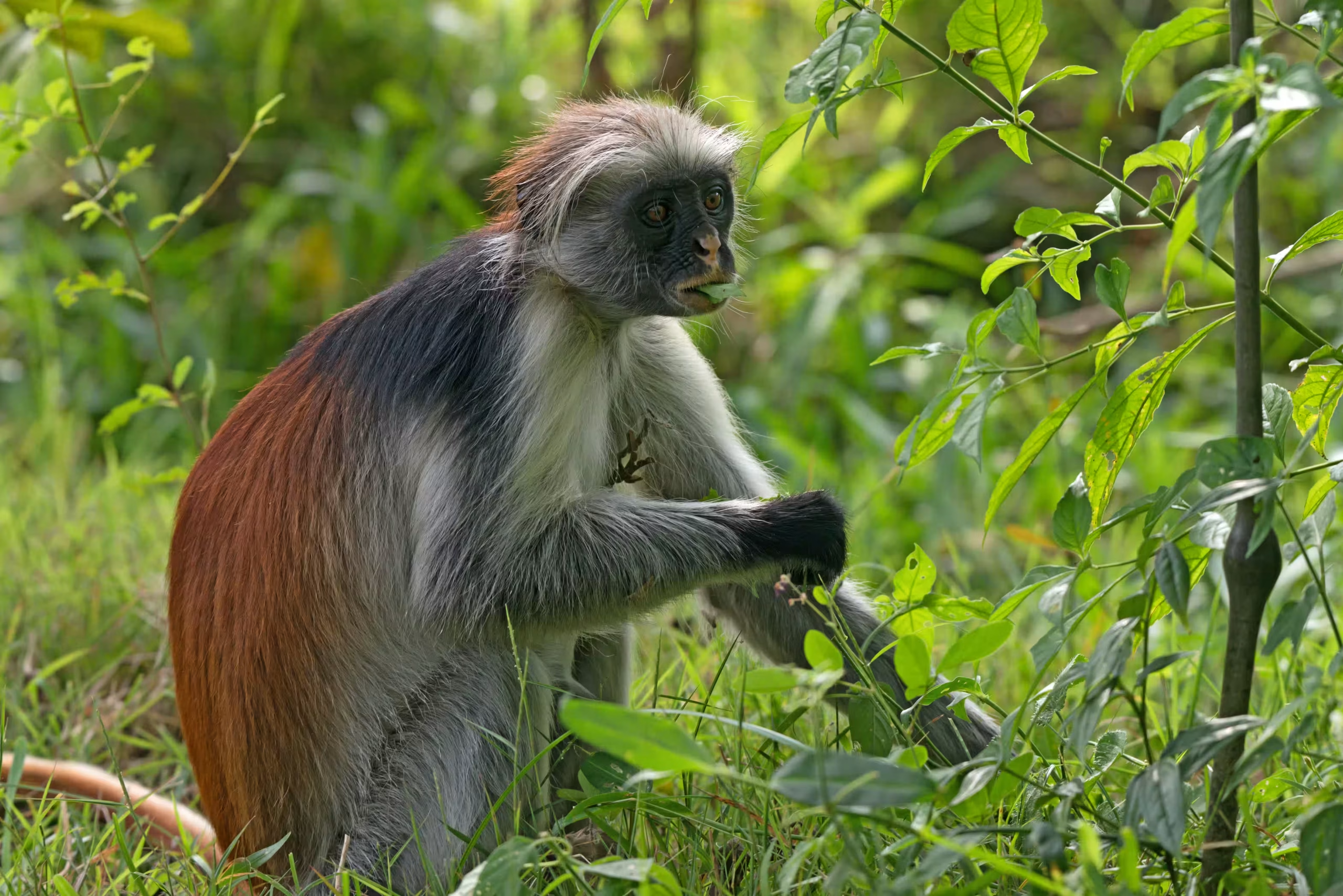
but mahale offers more than chimps. lake tanganyika at the foot of the mountains is one of the world's great freshwater lakes — clear, vast, alive with fish found nowhere else. snorkelling, kayaking, swimming and sunset dhow trips are all part of the experience. the forests themselves hold a remarkable variety of life — red colobus, blue monkeys, yellow baboons, bushpigs, leopards (rarely seen), and hundreds of bird species.

for travellers willing to give the time and money to reach this remote corner, mahale offers something you can't find elsewhere — an intimate, life-changing encounter with our closest relatives, in a setting of extraordinary beauty.

the chimpanzees

tracking themimikere group

the "m" group of mahale chimpanzees — used to human presence after 60 years of research — is the focus of every visit. here's how the tracking unfolds.

The Briefing

before you go

each day starts with a briefing from the park rangers and your camp's expert guide — chimpanzee etiquette, where the m group was the day before, the planned route, and how long the tracking ahead might take.

The Hike

through the forest

tracking can take anywhere from 1 to 8 hours, depending on where the chimps are. steep ground, dense undergrowth, and careful listening for chimp calls. your guide reads spoor, broken vegetation, and fresh feeding signs.

The Encounter

one hour with the chimps

once they're found, you have a strict 60 minutes with the chimpanzees — close enough to read their expressions, watch the grooming, see the infants at play, and hear pant-hoots that carry for miles. the hour passes faster than seems possible.

The Rules

strict protocols

minimum age 12, surgical masks at all times (chimps catch many of our illnesses), a 10-metre minimum distance, no eating around them, no flash photography. protecting the m group comes before everything.

why mahale

six reasonsto make the journey

mahale is genuinely hard and expensive to reach. here's why we think it's worth every kilometre, every flight, and every dollar — for the right traveller.

No. 01

wild chimpanzees up close

the m group is one of the best-studied chimpanzee populations in the world — and one of the most reachable. tracking and watching them is a life-changing thing to do.

No. 02

lake tanganyika

the world's second-deepest lake (after baikal), and one of the great freshwater bodies on earth. crystal-clear water, fish found nowhere else, and dramatic mountain backdrops.

No. 03

pure wilderness

no roads, no electricity grid, no nearby towns. just mountains, forest, lake, and a handful of luxury bush camps. the most remote-feeling of any destination in tanzania.

No. 04

snorkelling & kayaking

the lake offers world-class freshwater snorkelling — especially for cichlid fish, of which tanganyika has over 250 species found nowhere else. kayaking along the shoreline is another highlight.

No. 05

spectacular mountains

the mahale range rises dramatically from the lake to peaks above 2,400 metres. forest hikes, waterfalls, and sweeping viewpoints make every walk as beautiful as it is rewarding.

No. 06

only one camp group at a time

strict rules mean only a handful of travellers visit the m group each day. your chimp tracking won't involve queues, big groups, or other vehicles. intimate, private, profound.

the wildlife

primates &forest life

mahale's wildlife is forest-based and led by the primates. different from a savannah safari — no big five — but extraordinary in its own way.

Chimpanzee

chimpanzee

m group: 60 individuals

Red Colobus

red colobus

forest canopy

Blue Monkey

blue monkey

common troops

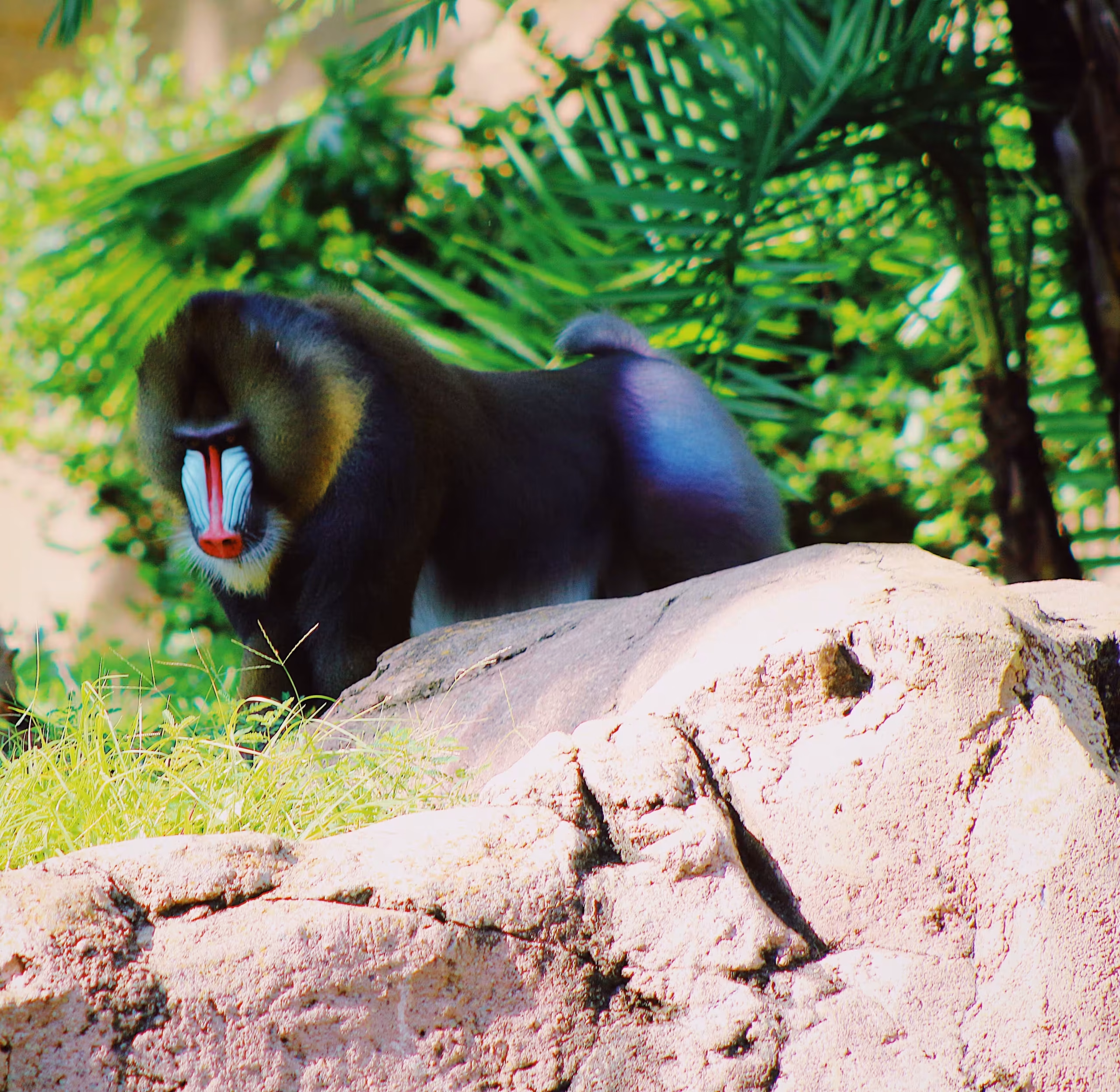
Yellow Baboon

yellow baboon

lake shoreline

Tanganyika Cichlids

tanganyika cichlids

250+ endemic species

Bushpig

bushpig

forest dwellers

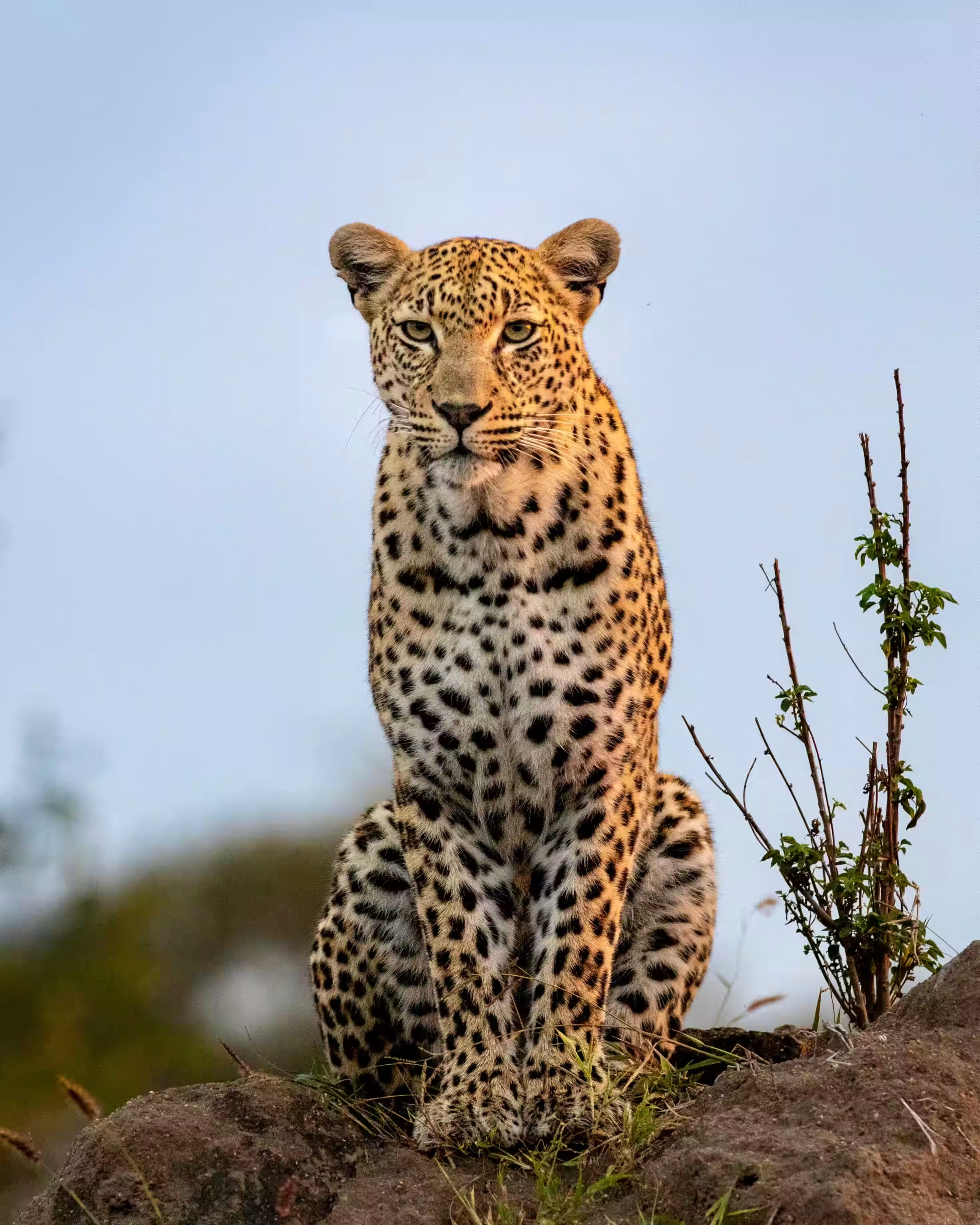
Leopard

leopard

rarely seen

Crowned Eagle

crowned eagle

forest raptor

when to visit

every month tellsa different story

mahale mountains rewards every season — but each month wears a different face. here's a month-by-month guide to help you plan.

Jan

wet & dramatic

heavy rains. spectacular skies. most camps closed.

Feb

closed

camps closed feb–apr. park largely inaccessible.

Mar

closed

wet, lush, beautiful but logistically hard.

Apr

closed

most camps closed. few logistics possible.

May

camps reopening

camps back in business. chimps moving low.

Jun

dry season

excellent chimp tracking. forest cooler.

Jul

peak conditions

excellent forest visibility. cool weather.

Aug

peak season

best chimp tracking month overall. book ahead.

Sep

continued peak

excellent conditions. lake calm and beautiful.

Oct

driest

hottest but excellent for chimps. lake spectacular.

Nov

short rains

brief showers. chimps moving higher. lake variable.

Dec

wet season

rains building. most camps closing. reopening may.

Peak season Shoulder / green season
6 iconic experiences
things to do

the mahale mountains
experience in full

6 iconic ways to immerse yourself in this extraordinary wilderness — each one chosen for what makes Mahale Mountains unique.
Chimpanzee tracking Activity 01

chimpanzee trackingwith the m group

the defining experience. daily hikes into the forest with park rangers and expert guides to find the m group of habituated chimpanzees, then a strict 60-minute hour with them. the tracking can take 1–8 hours, depending on where they are.

Duration3–10 hrs
DifficultyDemanding
Min age12 years
Explore Activity
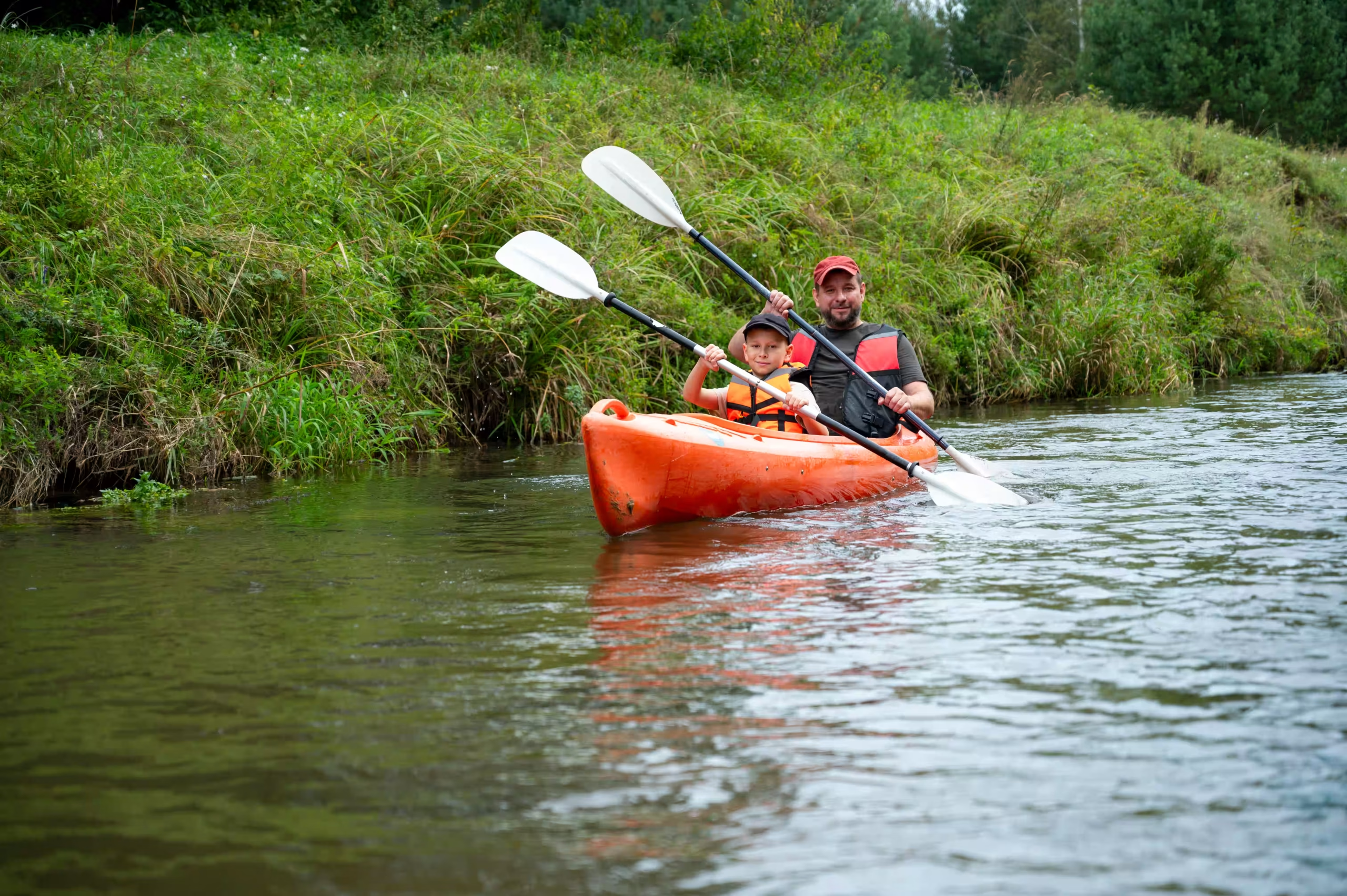
Kayaking on Tanganyika Activity 02

kayaking on tanganyikacrystal water

guided kayak trips along the shoreline beneath the mountains — extraordinary visibility down to the colourful cichlid schools below, dramatic mountain backdrops, and the chance to land on remote beaches for a swim and lunch.

Duration3 hrs
DifficultyEasy
From$95pp
Explore Activity
Snorkelling Activity 03

snorkellingwith cichlids

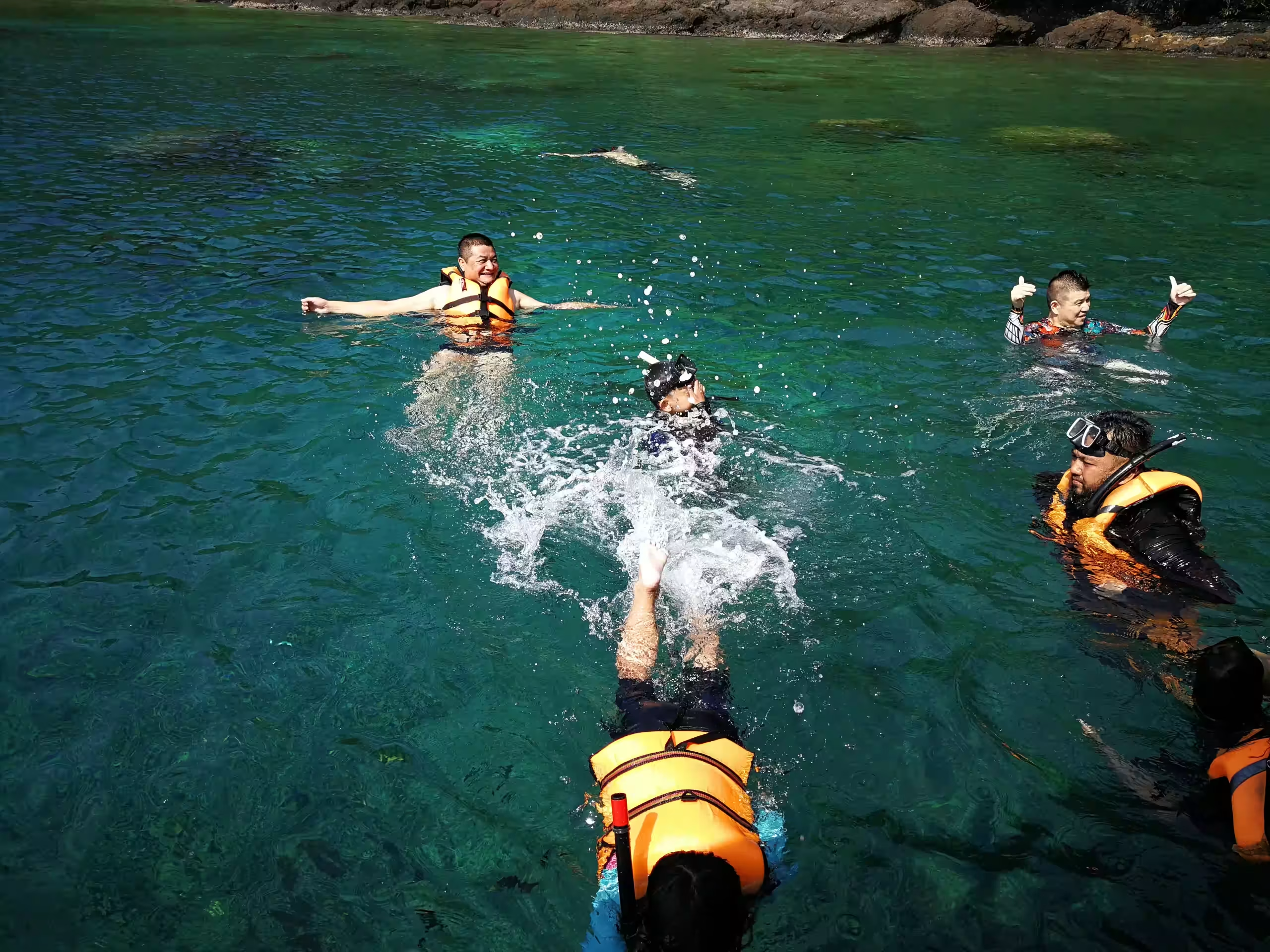
lake tanganyika is one of the great freshwater snorkelling sites in the world — clear, salt-free water and over 250 cichlid species found nowhere else, in spectacular colour. easy snorkelling from the camp beaches, or by boat to the coral-like rock formations.

Duration2 hrs
DifficultyEasy
IncludedMost stays
Explore Activity
Forest walks Activity 04

forest walksbeyond the chimps

guided forest walks through mahale's lower slopes — watching primate troops, hundreds of bird species, butterflies, and the wonderful vegetation. gentler than chimp tracking, and a lovely half-day out.

Duration3 hrs
DifficultyModerate
IncludedMost stays
Explore Activity
Sundowner dhows Activity 05

sundowner dhowson the lake

traditional wooden dhows take you out on the lake at sunset — drinks on board, dramatic light on the mahale mountains, the odd encounter with otters or fishing herons. an unforgettable end to a day in the forest.

Duration2 hrs
WhenSunset
IncludedAll stays
Explore Activity
Nkungwe Peak climb Activity 06

nkungwe peak climb2,462m summit

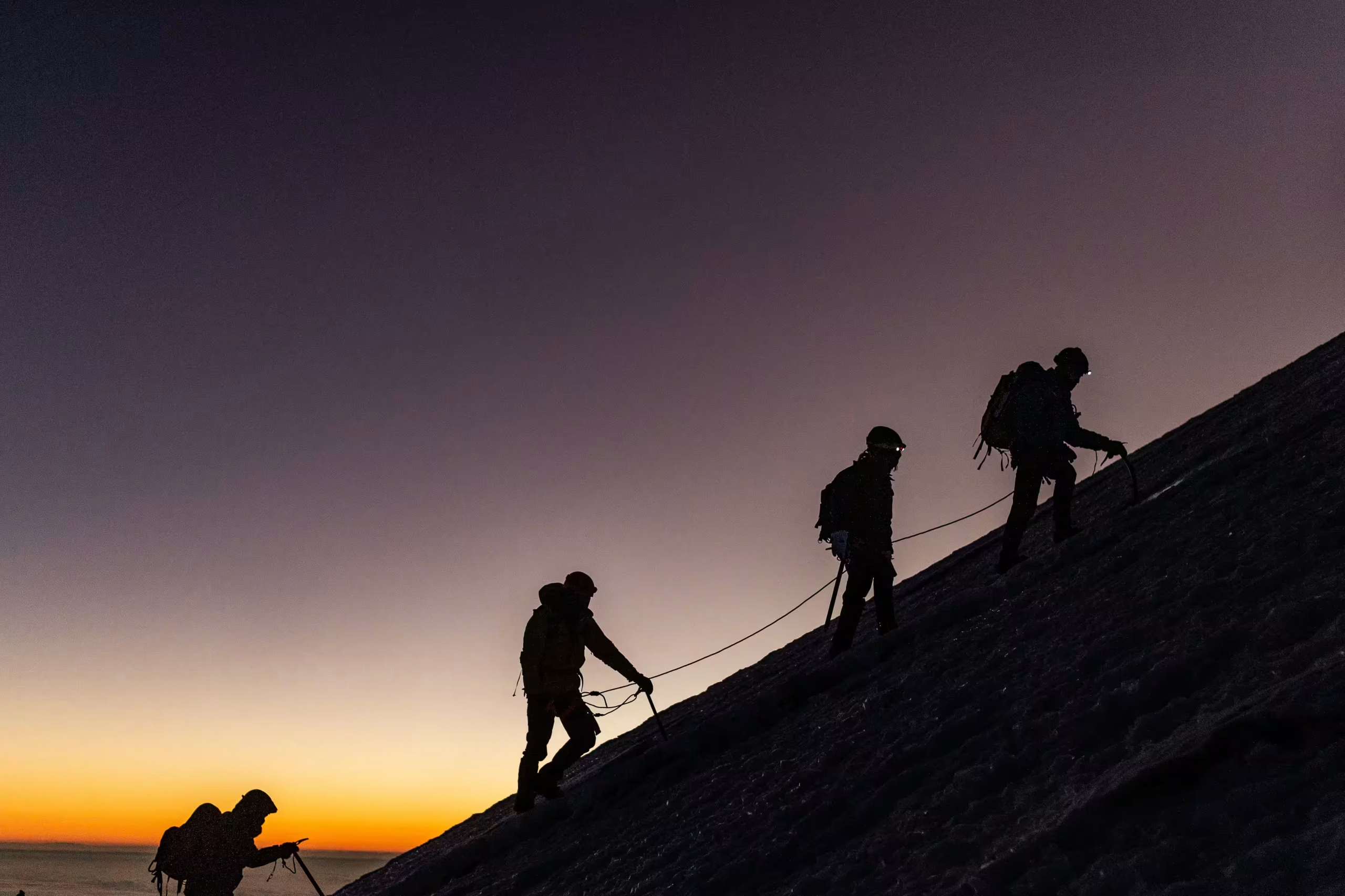
a multi-day camping trek to the summit of nkungwe peak — the highest point in mahale at 2,462 metres. through five vegetation zones, with extraordinary views across lake tanganyika to the drc. for experienced hikers only.

Duration2–3 days
DifficultyDemanding
From$450pp
Explore Activity
01 / 06
where to stay

from luxury tents toauthentic camps

mahale mountains offers places to stay across three tiers — from five-star indulgence for honeymooners to warm, great-value options with real character. we work across all of them, and we choose for fit, never for commission.

Beachfront camps
— tier 01 · luxury

beachfront camps

from $1,650 — $2,400 per person per night

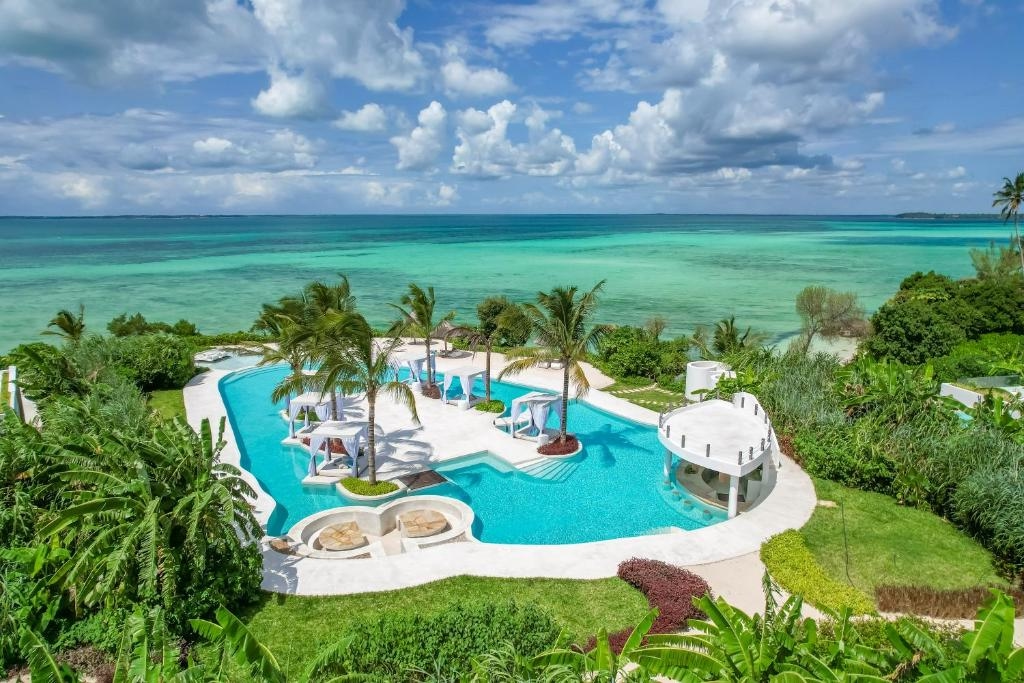
breathtaking luxury tented camps along the lake shore, with private decks over the water, full-service operations, and deep chimp-tracking expertise. among the most special — and most expensive — camps in africa. truly extraordinary.

  • Greystoke Mahale (Nomad)
  • Mbali Mbali Mahale
  • Kungwe Beach Lodge
  • Mahale Mountains Resort
Lake-side lodges
— tier 02 · mid-range

lake-side lodges

from $850 — $1,250 per person per night

a handful of more accessible lake-side lodges. comfortable rooms, full chimp-tracking programmes, and the same lake activities — at a gentler price. still expensive by global safari standards.

  • Mbali Mbali Mahale Standard
  • Flycatcher Camp
  • Tanganyika Wilderness Mahale
  • Roho Mahale
Bandas
— tier 03 · budget

bandas

from $180 — $300 per person per night

park-run bandas (basic self-catering cabins) on the lake shore, used by researchers and budget travellers. functional but simple. given the journey and the permit cost, most travellers prefer to splurge on the luxury experience.

  • TANAPA Bandas
  • Park camping
  • Researcher accommodation
getting there

by airor by road

mahale is one of the most remote destinations in tanzania — reachable only by light aircraft and boat. the journey is part of the experience. most travellers fly via arusha or dar es salaam, with a stop in kigoma.

by air

the standard route

a charter flight from arusha or dar es salaam via tabora — 3–4 hours of flying in total. land at mahale airstrip, then a 30-minute boat transfer to your camp. carriers: safari air link, coastal.

by road & boat

for the brave

drive to kigoma (2 days from dar), then a 5-hour public ferry to mahale. adventurous, slow, and only for those who specifically want the journey itself.

combine

western tanzania circuit

pair mahale with katavi (90 min by air) for the ultimate western safari. or add ruaha (1.5 hrs) for a southern–western combination.

entry fees

tanapa + research

park entry is $80 per adult per day, with a chimpanzee tracking fee of $50 per person per day. both are included in our standard itinerary pricing.

frequently asked

practicalquestions

two years of guiding mahale means we've answered these questions many times over. if there's something we haven't covered, just ask — we reply to every enquiry within 24 hours.

three nights at the least, ideally four. each day you typically get one chimp-tracking attempt — and you want at least 2–3 to make the most of your chances with the m group. fewer than three nights is a wasted journey.
no — the chimpanzees roam freely through the forest. most travellers staying three nights or more see them at least twice. the trekking can be demanding and weather-dependent. we do everything we can to give you the best chance.
reasonably fit. tracking can mean 4–8 hours of hiking in tropical heat and humidity, sometimes on steep slopes through dense forest. minimum age 12. older travellers in good shape manage it regularly; we'll guide you through it when planning.
surgical masks are required during chimp encounters — chimpanzees catch many of our respiratory illnesses, which can be devastating for their population. cameras and water are fine; food and other items must be left at a safe distance.
if you're drawn to primates and remote wilderness — absolutely. if you're mainly after big cats and savannah — probably not. mahale is a specialist destination, and we'll talk through whether it fits on every enquiry.
the minimum age is 12 (strict, because of the disease risk and the physical demands). some camps prefer 16+. younger children can stay at the lodges but can't enter the forest. better to wait until they're old enough.
plan your journey

your mahaleawaits

every con bush safaris journey is built around you — your dates, your budget, your dreams. tell us when you'd like to travel, and we'll shape an itinerary that puts you in the chimpanzee forest at exactly the right moment.

Loading itinerary…
Saved Trips