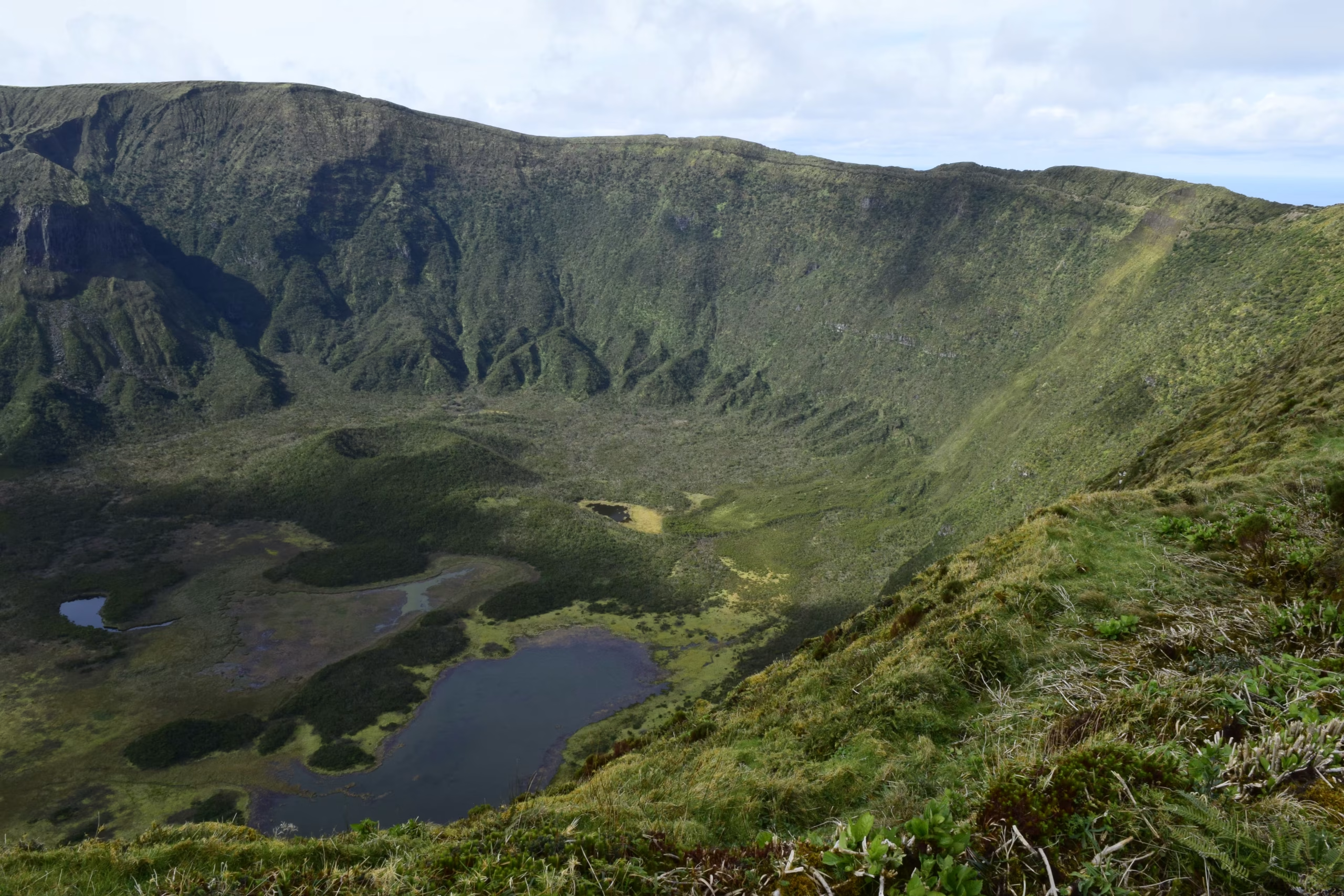
three million years ago, a volcano stood here that may have rivalled kilimanjaro in height. then it collapsed in on itself, leaving behind one of the most extraordinary landforms on the planet — a perfect, unbroken caldera 600 metres deep and nineteen kilometres across, its walls rising sheer from the floor like the rim of a vast cathedral.
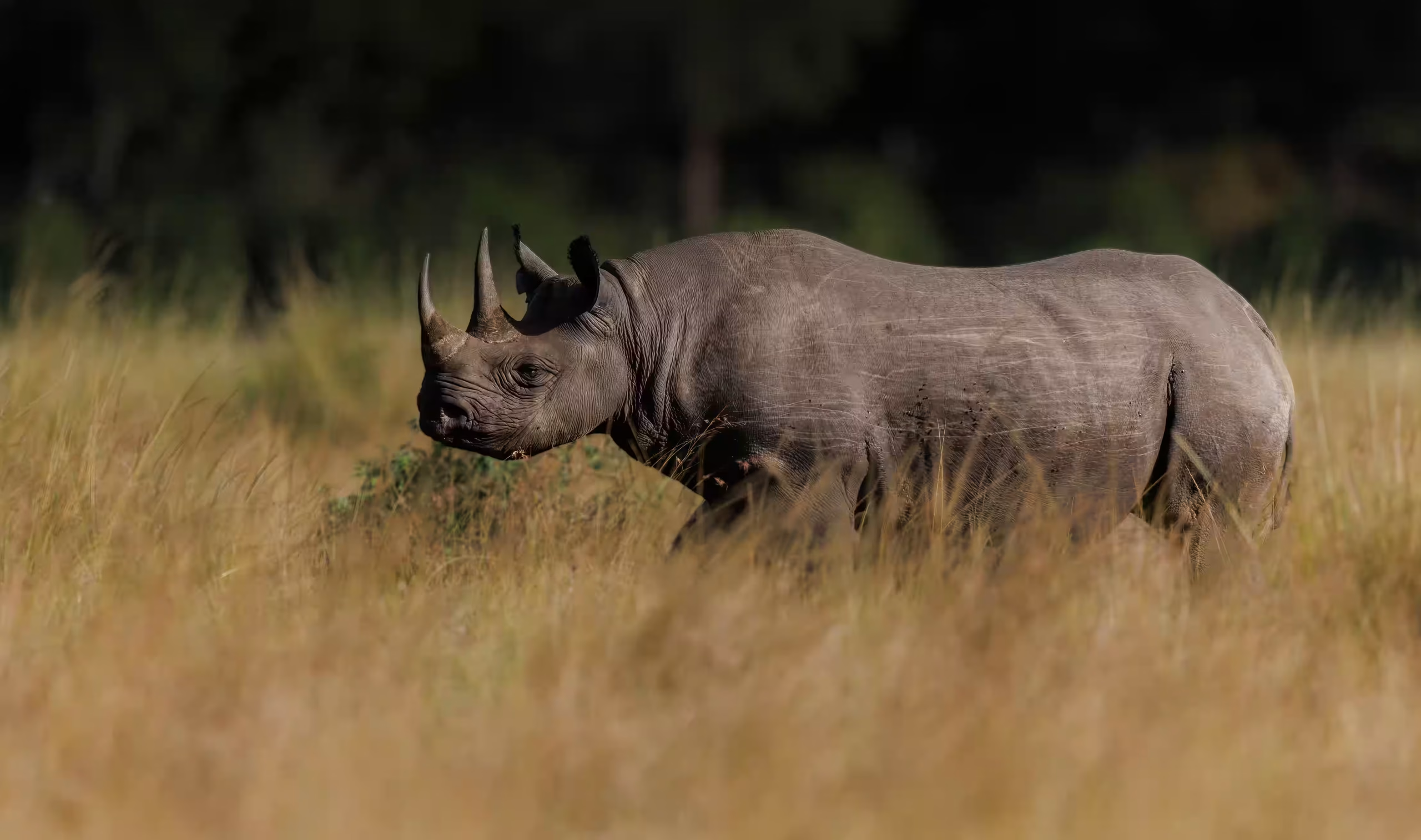
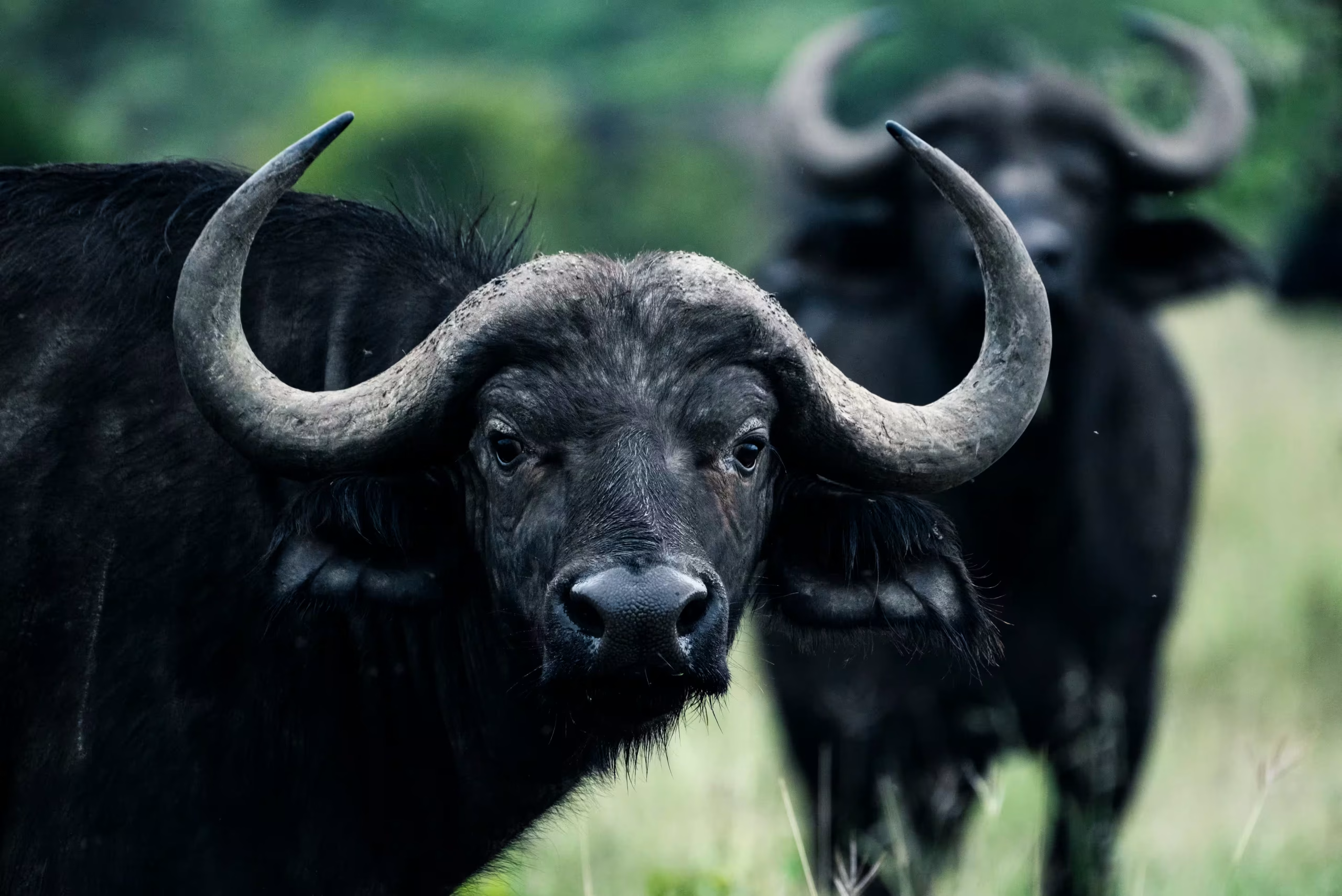
today that crater floor is a world entirely of its own — a garden of eden in miniature. within its 260 square kilometres live some 25,000 large mammals, including the highest density of lions in africa, healthy numbers of black rhino, and elephants whose tusks brush the ground. the walls form a natural enclosure that gathers wildlife in a way no other african park can match.
"There is no place on Earth like Ngorongoro. To stand on the crater rim at sunrise is to understand what the world once was — and to feel, for one humbling moment, very small inside it."
but ngorongoro is far more than its crater. the conservation area around it stretches across 8,300 square kilometres of highland forest, ancient calderas, soda lakes and grass plains. olduvai gorge — the cradle of mankind — sits within it. so does empakaai, a sapphire crater lake ringed by forest, and the haunting shifting sands, a volcanic ash dune that creeps slowly westward each year.
for the maasai, who have lived alongside this land for centuries, ngorongoro is sacred ground — a place where cattle graze among lions and rhinos in an arrangement of mutual respect that has held for generations. to descend into the crater at dawn, watching the mist lift off lake magadi and the herds begin to move, is to step into a world that has been protected — by maasai custom and by international decree — for longer than any other landscape on earth.






 Activity
01
Activity
01