Wildebeest · Zebra · Predator
Two million animals,
one endless circle
follow the herds
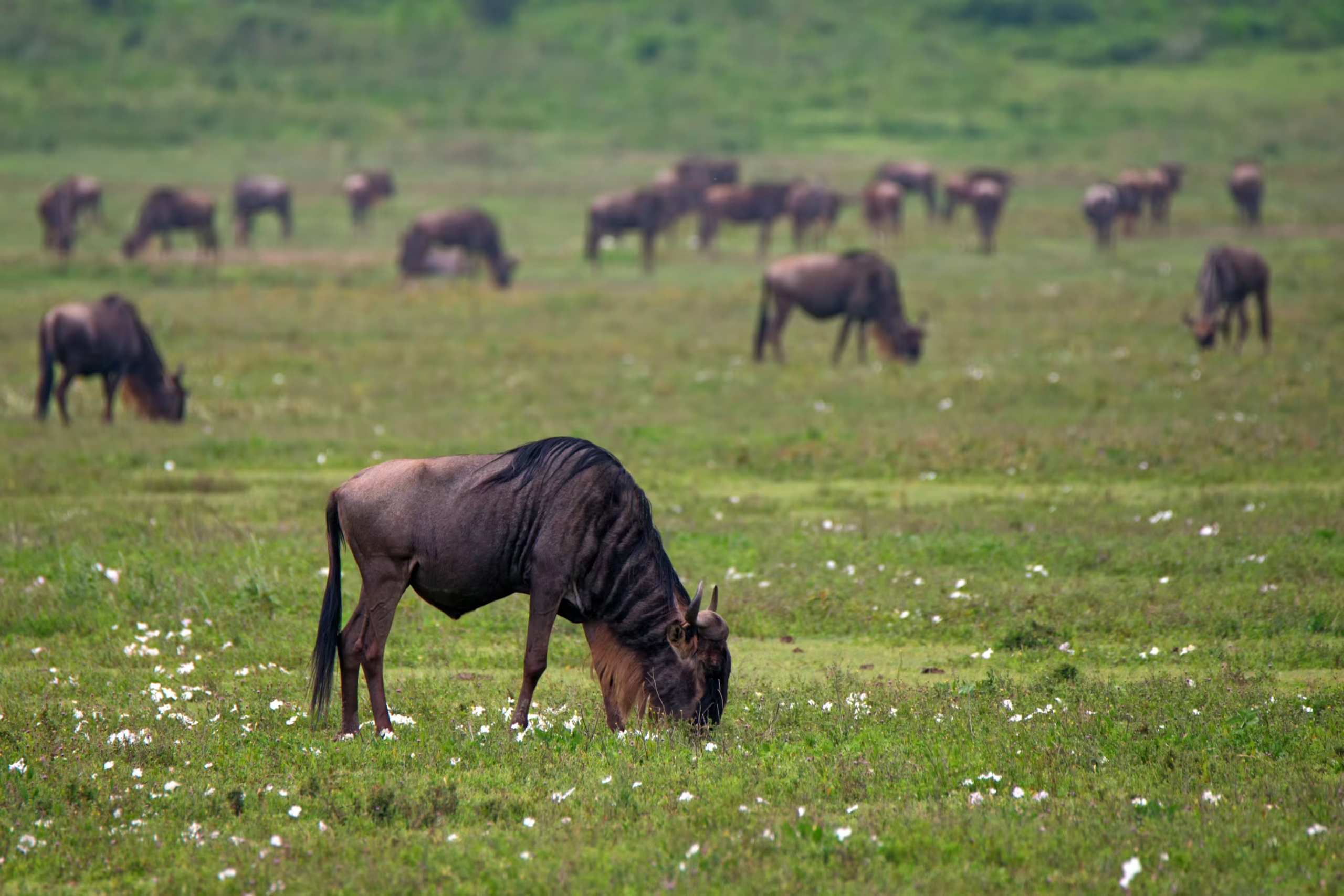
more than a million wildebeest, moving as one — it's the greatest wildlife spectacle on earth, and we know exactly where to stand to feel it. we follow the herds through the seasons, placing you in comfortable camps right where the drama unfolds, close enough to hear the thunder of hooves. timeless, wild, and worth every mile.
1.5MWildebeest
250,000Zebra
Year-roundIn Serengeti
Jul-OctMara crossings
Jan-MarCalving season
Scroll
following the herds
the most misunderstoodphenomenon in africa
the great migration is one of the most asked-about, and least understood, things in african travel. it isn't an event that happens once a year. it's a continuous, circular movement happening every single day — wildebeest and zebra following the rains and the fresh grass around an ecosystem the size of wales. what changes month to month isn't whether the migration is happening, but where.
the full cycle: january–march, the herds are on the southern serengeti and ndutu plains, calving — 500,000 newborns in three weeks, and the most concentrated predator action on the continent. april–may, they move west toward the grumeti river. june–july, they cross the grumeti and push north. july–october, the most dramatic chapter: the mara river crossings in the northern serengeti, with their huge crocodiles. november–december, the herds turn south for the calving grounds, and the whole cycle begins again.
the most important question for a migration safari is simple: when can you travel? once we know your dates, we build the itinerary to put you in exactly the right part of the serengeti at exactly the right time. mobile tented camps follow the herds; fixed lodges work for certain windows. a 7–10 day migration safari, shaped around your dates, can put you in front of the action every single morning.
the dimensions
what makes thisexperience itself
01
the calvingjan-mar
500,000 wildebeest calves born in three weeks on the southern Serengeti plains. Highest predator density of the year — lion, cheetah, hyena working the herds.
02
the grumetijun-jul
Less famous than the Mara but equally dramatic. Massive Grumeti River crocodiles take their share as the migration crosses.
03
the mara crossingsjul-oct
The most iconic safari spectacle. Herds plunge through the Mara River, sometimes thousands at a time, with 5m+ crocodiles waiting in the water. Filmed for every nature documentary ever made.
04
the return southnov-dec
The herds move back to the southern plains. Less dramatic visually but quieter, less expensive, and beautiful in its own way. Often the best value migration season.
where to do this
the best parksfor this experience
01
serengeti — southern (ndutu)
calving jan–mar, returning herds nov–dec
Explore park → 02serengeti — western (grumeti)
grumeti river crossings jun-jul
Explore park → 03serengeti — northern (kogatende)
mara river crossings jul-oct
Explore park → 04serengeti — central (seronera)
resident wildlife year-round, transit zone
Explore park →
Best time
it depends entirely on what you most want to see. river crossings: july–october (northern serengeti). calving: late january to mid-march (southern serengeti). a quieter alternative: november–december (the returning herds).
practical matters
what thisactually involves
Duration
7-10 days, with 4-5 nights in the migration zone
Budget
From $5,500 per person (peak season can be higher)
Best for
Returning safari-goers · Wildlife photographers · Documentary lovers
Type of trip
Wildebeest · Zebra · Predator
An honest note
wildlife is unpredictable — even perfectly placed, a river crossing can happen in a rush or make you wait days. we put you in the right zone; the migration provides the show.
common questions
things travellersoften ask
For drama: late July to early September in the northern Serengeti for Mara River crossings. For predator action: late January through early March for the calving in the southern Serengeti. For value and quiet: November-December as the herds return south. There is no bad time — only different times.
Crossings are common but never guaranteed on any specific day. We position you within driving distance of the river and your guide checks crossing points each morning. Most travellers staying 4+ nights in northern Serengeti during peak crossing season see at least one — and often several.
Mobile tented camps move with the migration — the best option for those wanting to be closest to the action throughout. Fixed lodges work if you are committed to a single region (e.g. northern Serengeti for the entire stay in August). Most travellers prefer the mobile camps.
Game drives can approach within 10-20m of resting wildebeest. River crossings are watched from the riverbank where vehicles can position. Off-road driving is restricted in many migration areas; we use the road network strategically.
The migration crosses into the Mara typically August-October before returning to the Serengeti. From late October onwards, the herds move south through Tanzania. If you want to see crossings, the northern Serengeti (Kogatende region) is often a better choice than the Mara — fewer vehicles, equally good viewing.
plan this experience
ready forgreat migration safaris?
tell us your dates and what matters most to you. we design every migration itinerary personally.