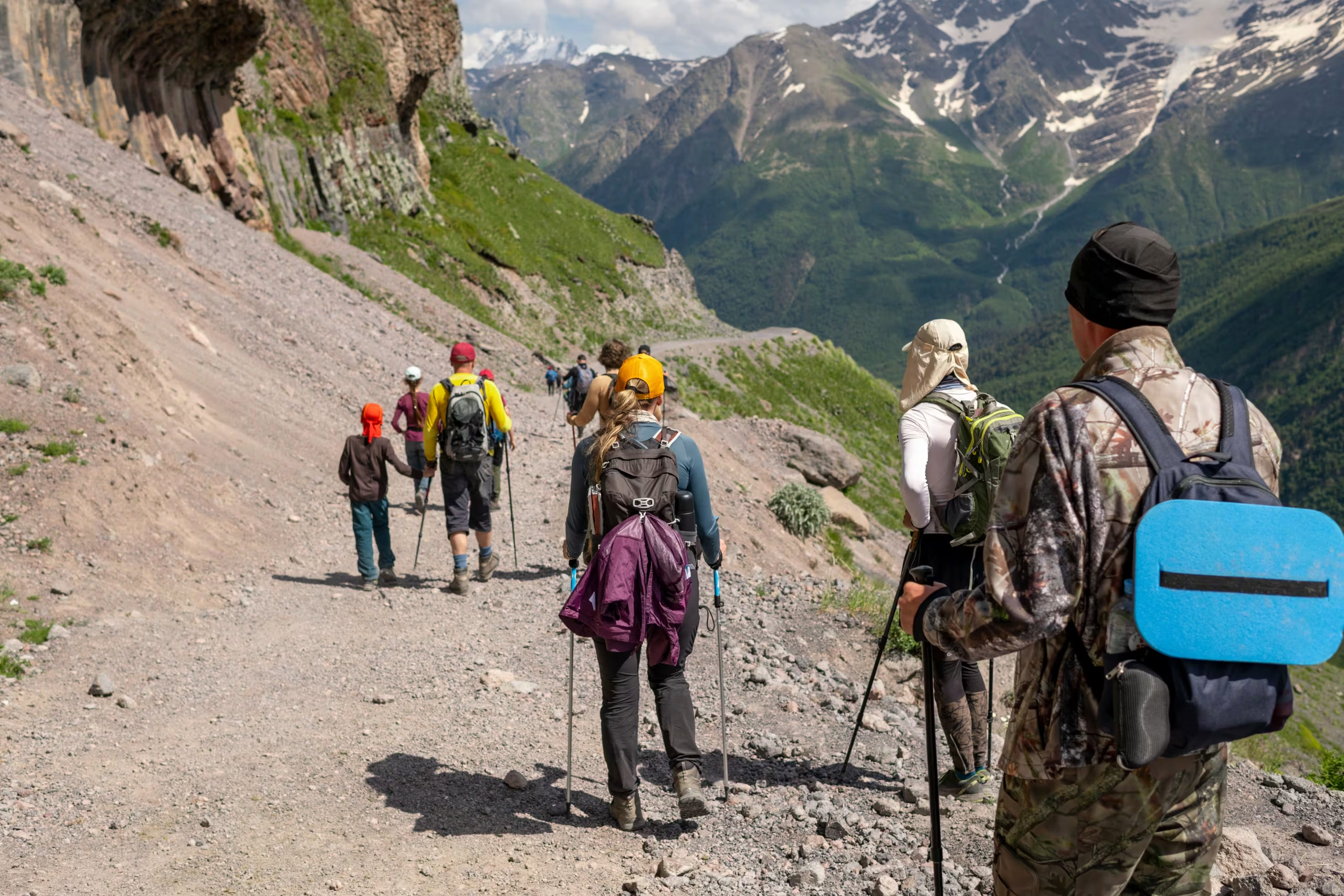
nyerere national park — known until 2019 as the selous game reserve — is wild africa at a scale that's almost hard to take in. at 30,893 square kilometres, it's larger than belgium, twice the size of the serengeti, and africa's second-largest protected area after namibia's namib-naukluft. within it flow rivers, swamps, lakes, palm groves, miombo woodlands and savannah — a patchwork of habitats that holds one of the densest large-mammal populations on the continent.
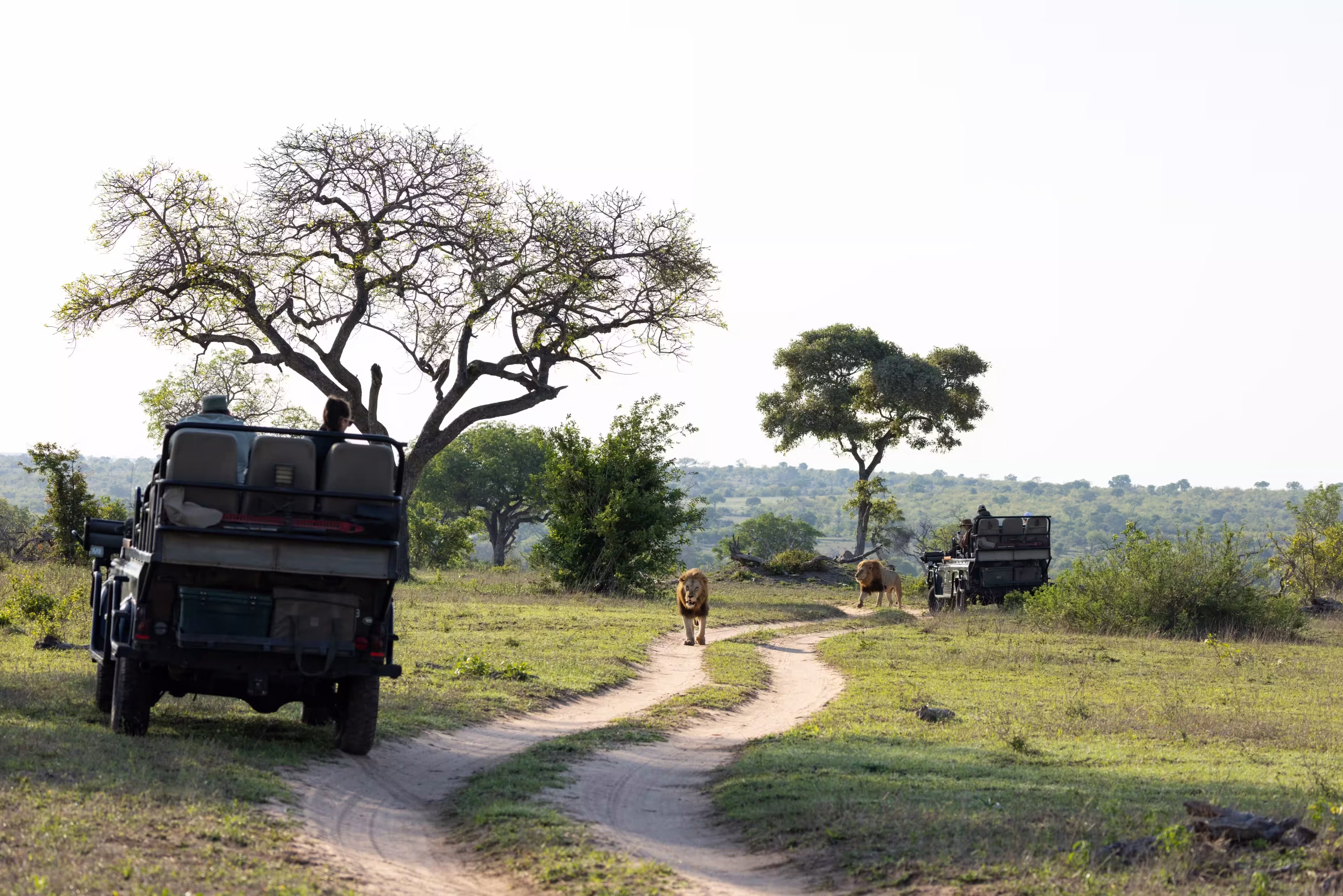
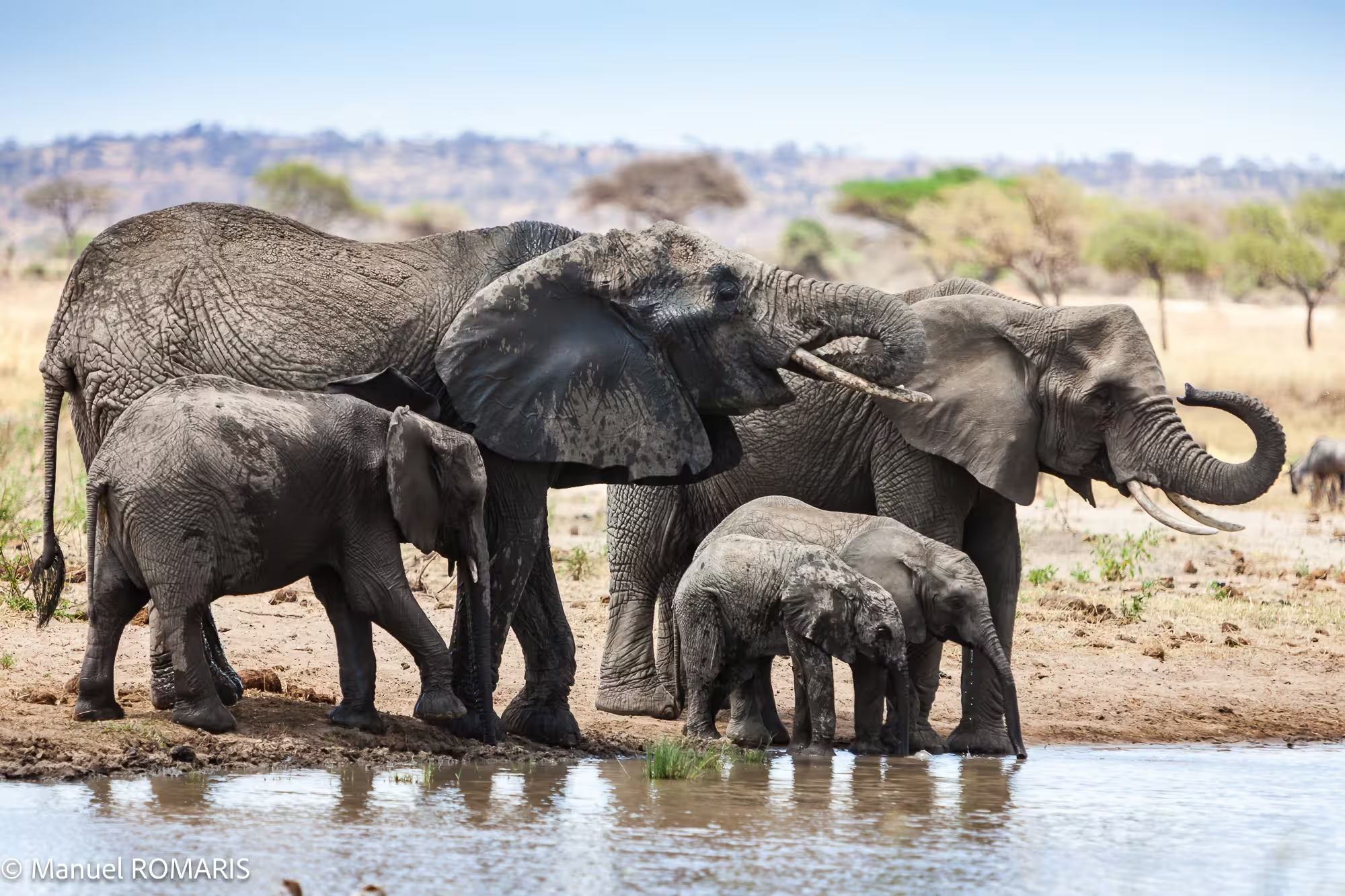
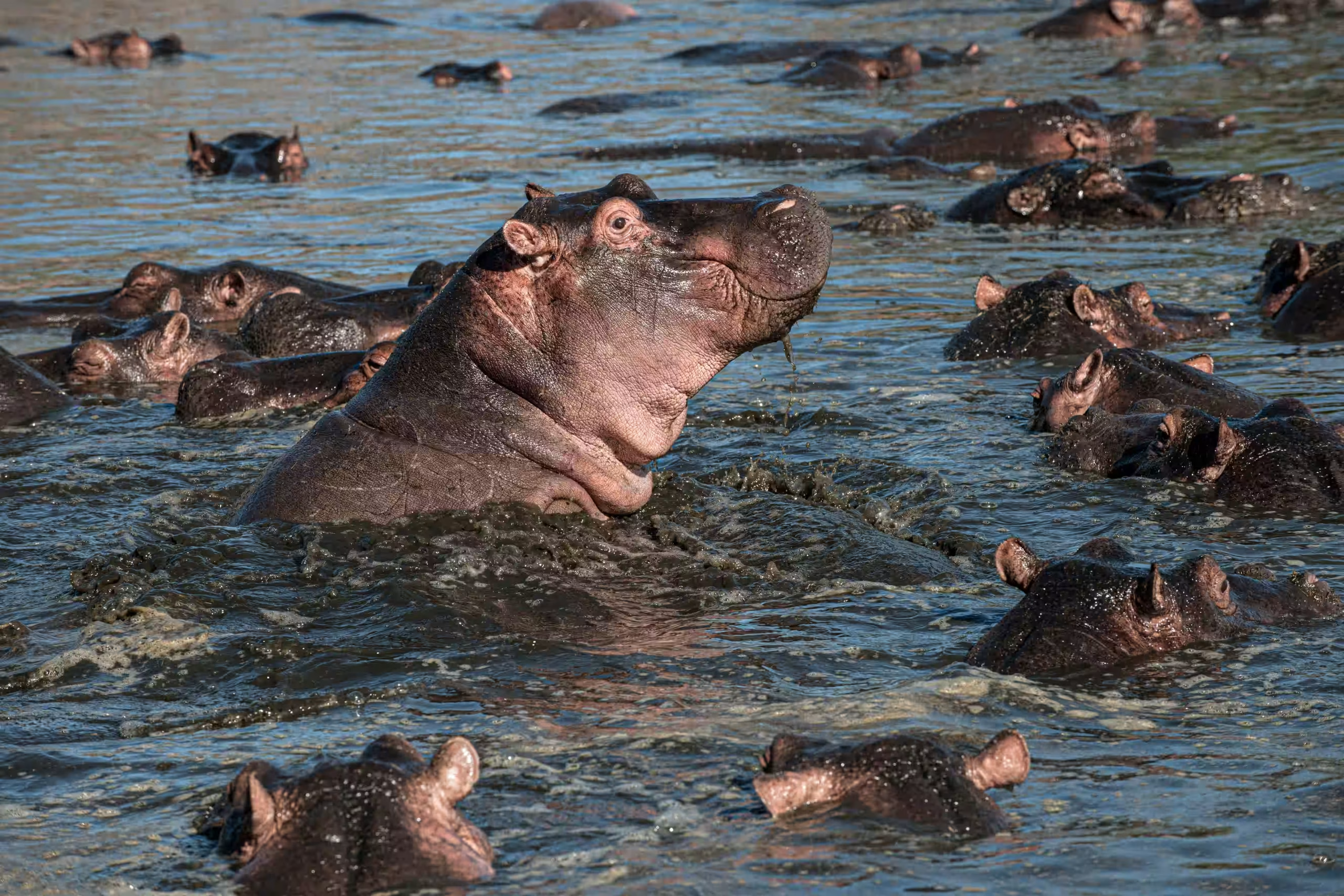
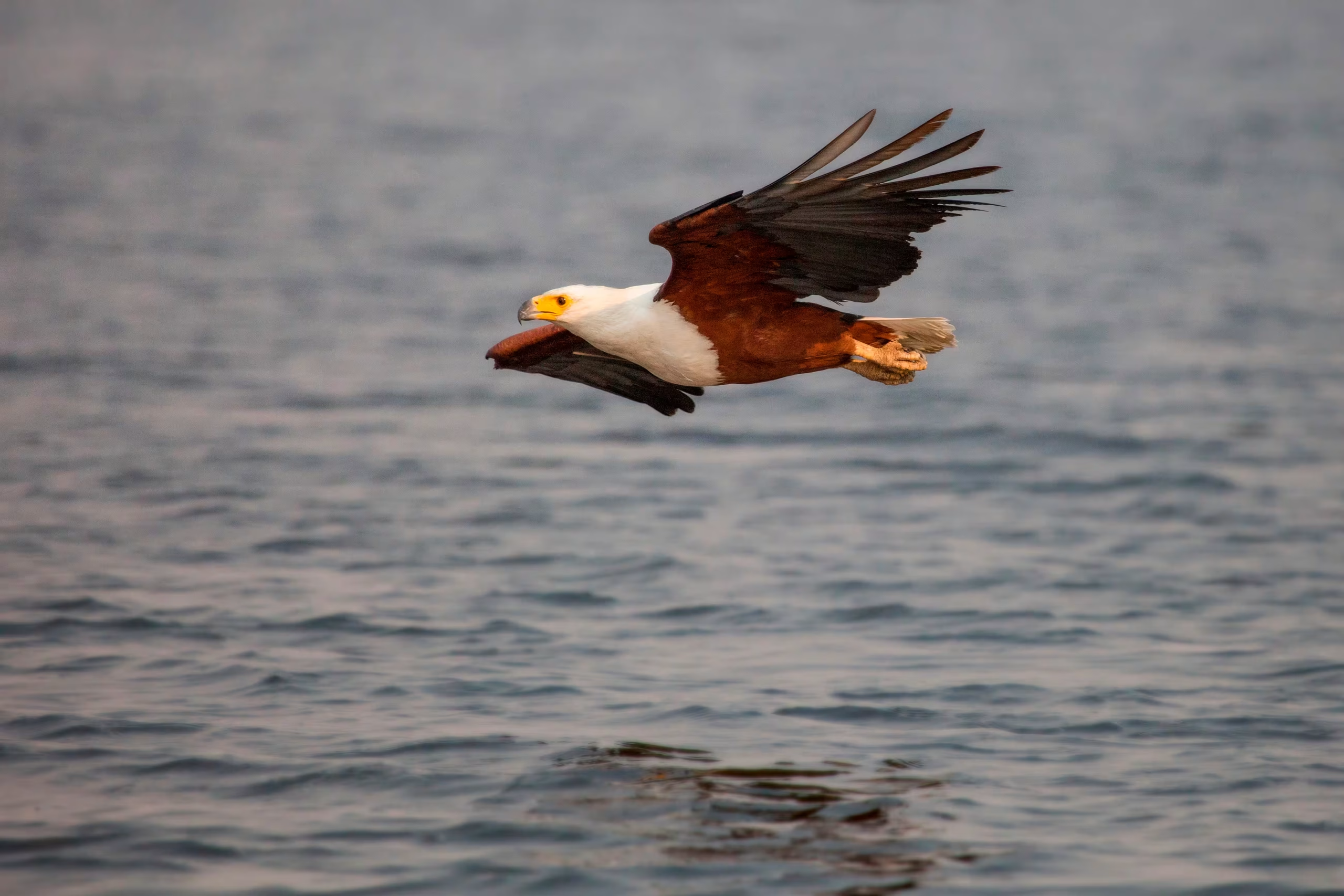
the rufiji river — tanzania's largest — winds 250 kilometres through the park, fanning into a delta of channels, lakes and oxbows that draws wildlife in extraordinary numbers. crocodiles patrol the shallows. hippo pods of 50+ lie up in the lakes. african fish eagles call from every island. and along the banks, elephants gather in their hundreds, buffalo in their thousands, and the lions of the rufiji prides hunt beneath the doum palms.
"To stand at sunset on the bank of the Rufiji, with elephants on the far shore and the sky orange behind them, is to feel what Africa was — and what it can still be."
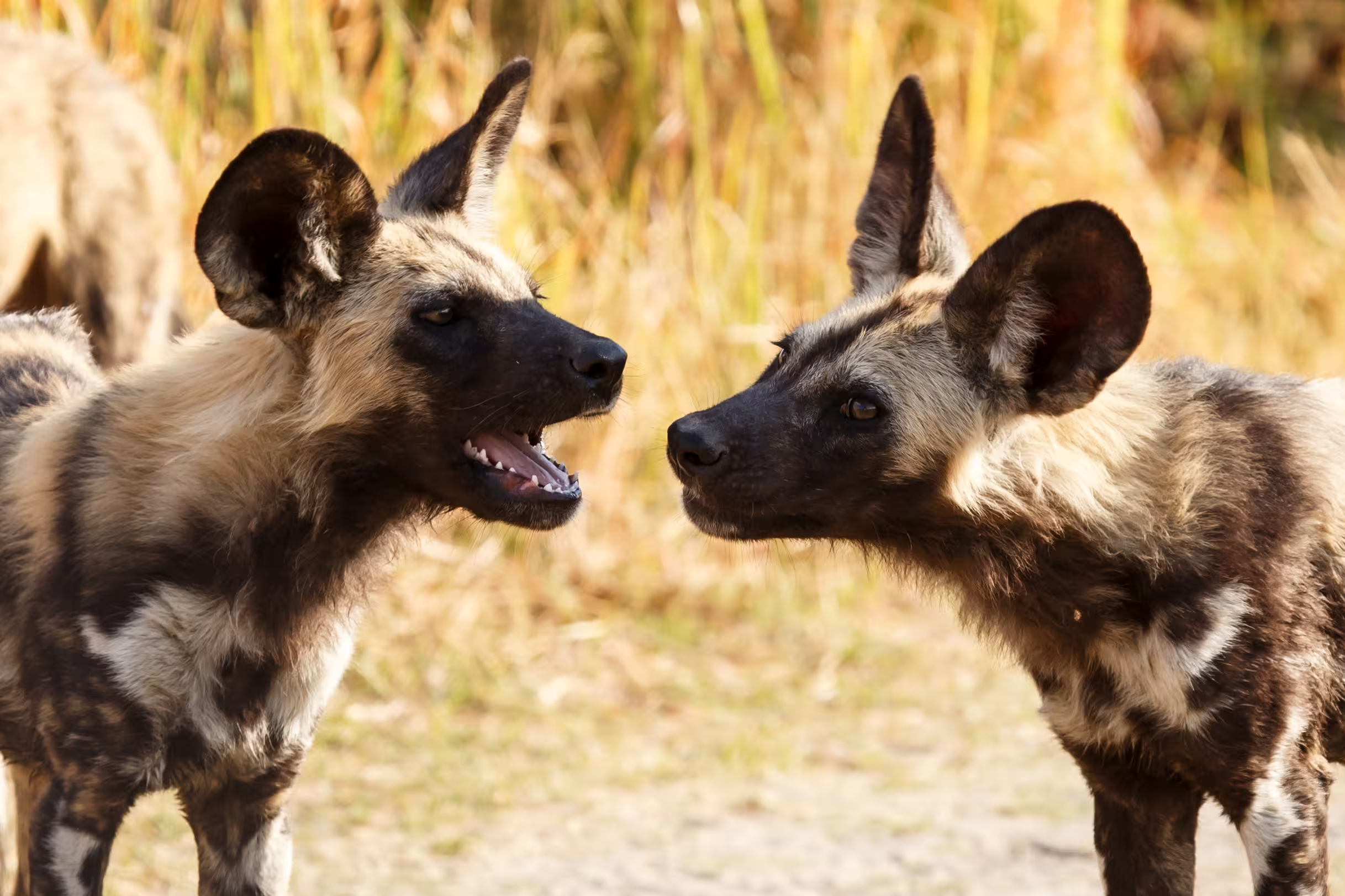
but nyerere's real claim to fame is its wild dogs. africa's most endangered large predator — fewer than 6,000 remain on the whole continent — finds its single greatest stronghold here. more than 1,300 wild dogs run in packs across the park, hunting impala through the woodlands and swimming the rufiji channels after their prey. it's one of the most thrilling things to witness anywhere in africa.
beyond the wildlife, nyerere offers something the northern circuit simply can't — water safaris. boat trips on the rufiji, walks through the woodlands, fly-camping under the stars, and the kind of remote, intimate experiences the busier northern parks left behind long ago. for those willing to fly south, this is some of africa's last great wilderness.




 Activity
01
Activity
01