Con Bush Safaris

info@conbushsafaris.com +255 764 808 021 Arusha / Usa River, Tanzania
Hero background
Northern Tanzania · Tree-Climbing Lions

Lake Manyara
National Park

where lions climb trees

compact, lush and full of surprises — manyara packs forest, soda lake, and open plains into one easy, beautiful day. tree-climbing lions, thousands of flamingos, and birdlife everywhere you look. it's the perfect gentle opening to a northern journey, and we make the most of every hour.

330sq km
400+bird species
1960established
670mrift escarpment
70%lake at peak rains
Scroll
the land

forest, lakeand escarpment

"The loveliest [park] I had seen in Africa."
— Ernest Hemingway

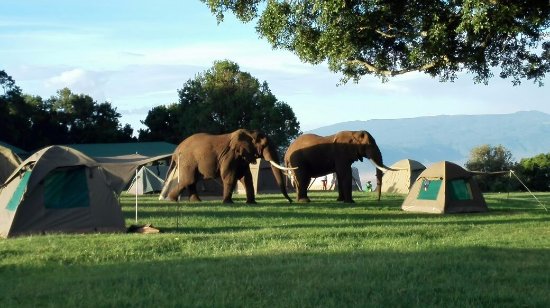
lake manyara is the small park that keeps on surprising. stretched along the base of the great rift valley escarpment, it packs an extraordinary range of habitats into just 330 square kilometres — groundwater forest dense enough to hide elephants, baobab-studded acacia woodland, the vast alkaline lake itself, and the scarred red cliffs of the rift rising 670 metres above the floor.

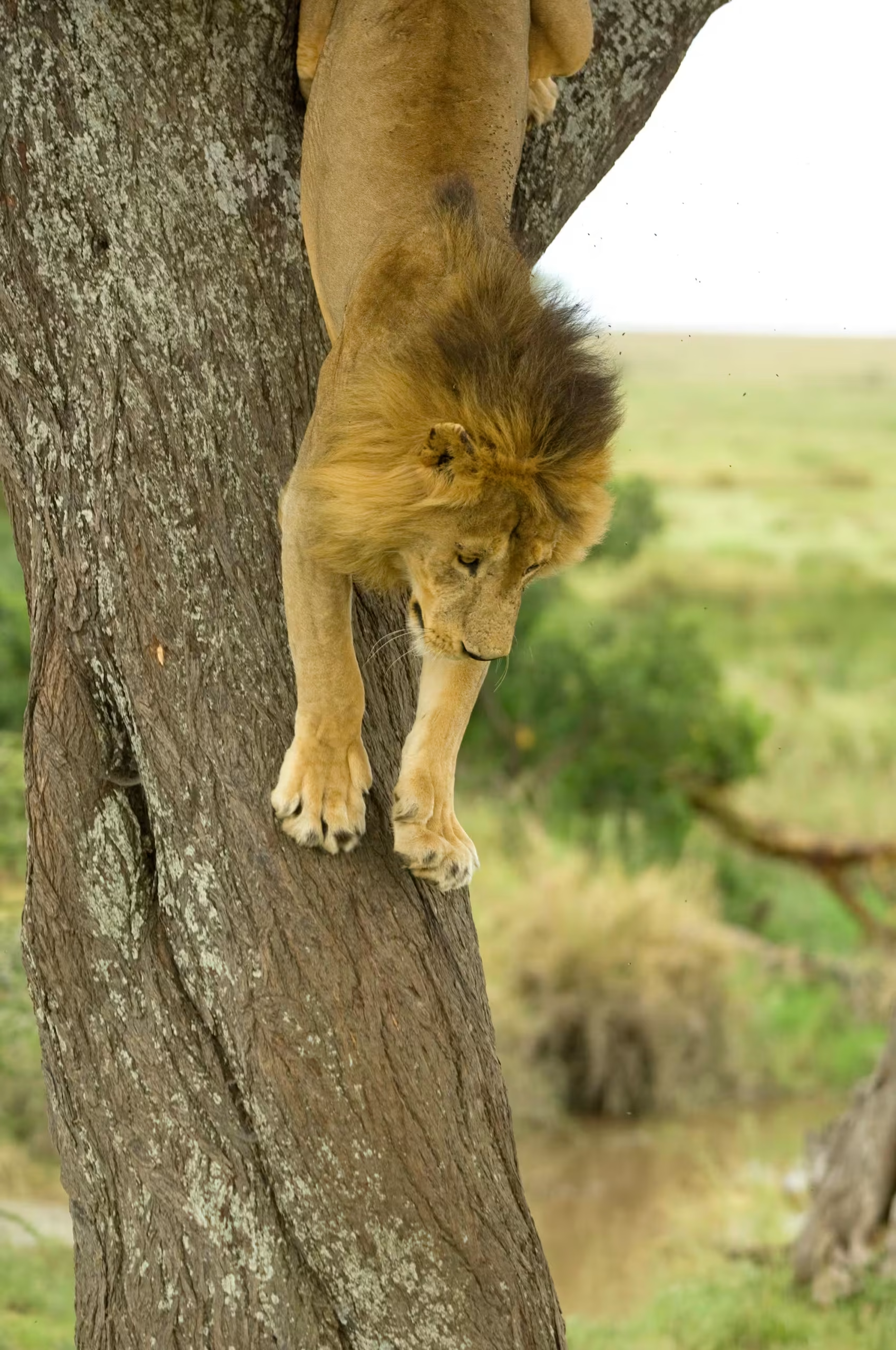
it's most famous for one thing: the tree-climbing lions. found in only two african parks, these lions have learned to drape themselves across the high branches of ancient acacia and fig trees — partly to escape the heat, partly the tsetse flies, perhaps partly just because they can. to round a corner and find a lioness asleep on a branch six metres above you is one of the great surprises of any safari.

"Lake Manyara is the gentlest introduction to Africa's wilderness. The forest gives way to lake, the lake to escarpment, and somewhere in between a lion looks down on you from a tree."

but manyara is far more than its tree lions. the lake itself shifts with the season — from a glittering soda flat to a vast pink mirror of flamingos. the hot springs of maji moto bubble up out of the rift floor. the groundwater forest at the entrance hides a healthy herd of elephants and the largest gathering of olive baboons in east africa. and the treetop walkway — a canopy-level suspension bridge through the upper forest — offers a view of the bush most travellers never get to see.

manyara is rarely a place you stay for several nights on its own. but as the perfect first or last stop on a northern circuit — a half-day or one-night welcome to tanzanian wildlife — it's hard to beat. hemingway, who hunted here in 1933, called it "the loveliest [park] i had seen in africa." it still holds up.
the tree-climbing lions

lions who chosethe high branches

of all the world's 35,000 wild lions, only two populations regularly climb trees — those here at lake manyara, and those in uganda's queen elizabeth national park. nobody is quite sure why.

The Origin

a learned behaviour

the lions of manyara learned to climb perhaps 50 years ago — the habit passed down from mother to cub. they go up yellow-barked fever trees and ancient figs, sometimes 8 metres high, drape themselves over a fork, and sleep for hours.

The Theory

why they climb

the popular theories: to escape the heat of the rift-valley floor, to dodge the dense tsetse flies near the ground, or to watch for prey across the open lake plains. most likely all three, woven together into a tradition.

The Sighting

how to find them

the lions favour the acacia woodland between hippo pool and the mahali pa nyati area. watch for tails dangling from the branches. they're most often in view from mid-morning to mid-afternoon, when they're sheltering from the heat.

The Future

a fragile tradition

there are perhaps 25 lions left in manyara. the habit is fragile — if a generation forgets it, it could vanish. park authorities and researchers watch the prides carefully. every sighting is a privilege.

why lake manyara

six reasons it punchesabove its weight

manyara is often written off as a half-day stop — and that's a mistake. here are six reasons it earns at least one overnight on any thoughtful northern circuit.

No. 01

the tree-climbing lions

only two populations of tree-climbing lions exist anywhere in the world. manyara's — perhaps 25 of them — are reliably seen between hippo pool and mahali pa nyati through the dry season.

No. 02

the groundwater forest

the lush groundwater forest at the park entrance — fed by underground springs from the escarpment — is unlike anywhere else on the northern circuit. towering figs, mahoganies, and the densest baboon population in east africa.

No. 03

lake manyara itself

the shallow alkaline lake covers up to two-thirds of the park in wet years. pink with flamingos in season, dotted with hippo pods, fringed by hot springs — a photographer's dream.

No. 04

the treetop walkway

a suspended canopy walkway gives you a primate's-eye view of the groundwater forest — looking down on elephants and bushbuck while colobus monkeys leap through the branches around you.

No. 05

400+ bird species

manyara is one of east africa's finest birding sites. pink-backed pelicans, african fish eagles, dozens of egret and heron species, and — in season — hundreds of thousands of flamingos.

No. 06

half-day convenience

just 2 hours from arusha, manyara works beautifully as the first or last stop on a northern circuit — or as a relaxed half-day with a pause in mto wa mbu village. no long drives, wildlife straight away.

the wildlife

a small park'sbig cast

manyara packs an extraordinary variety into 330 square kilometres — elephants in the forest, flamingos on the lake, and lions up in the trees.

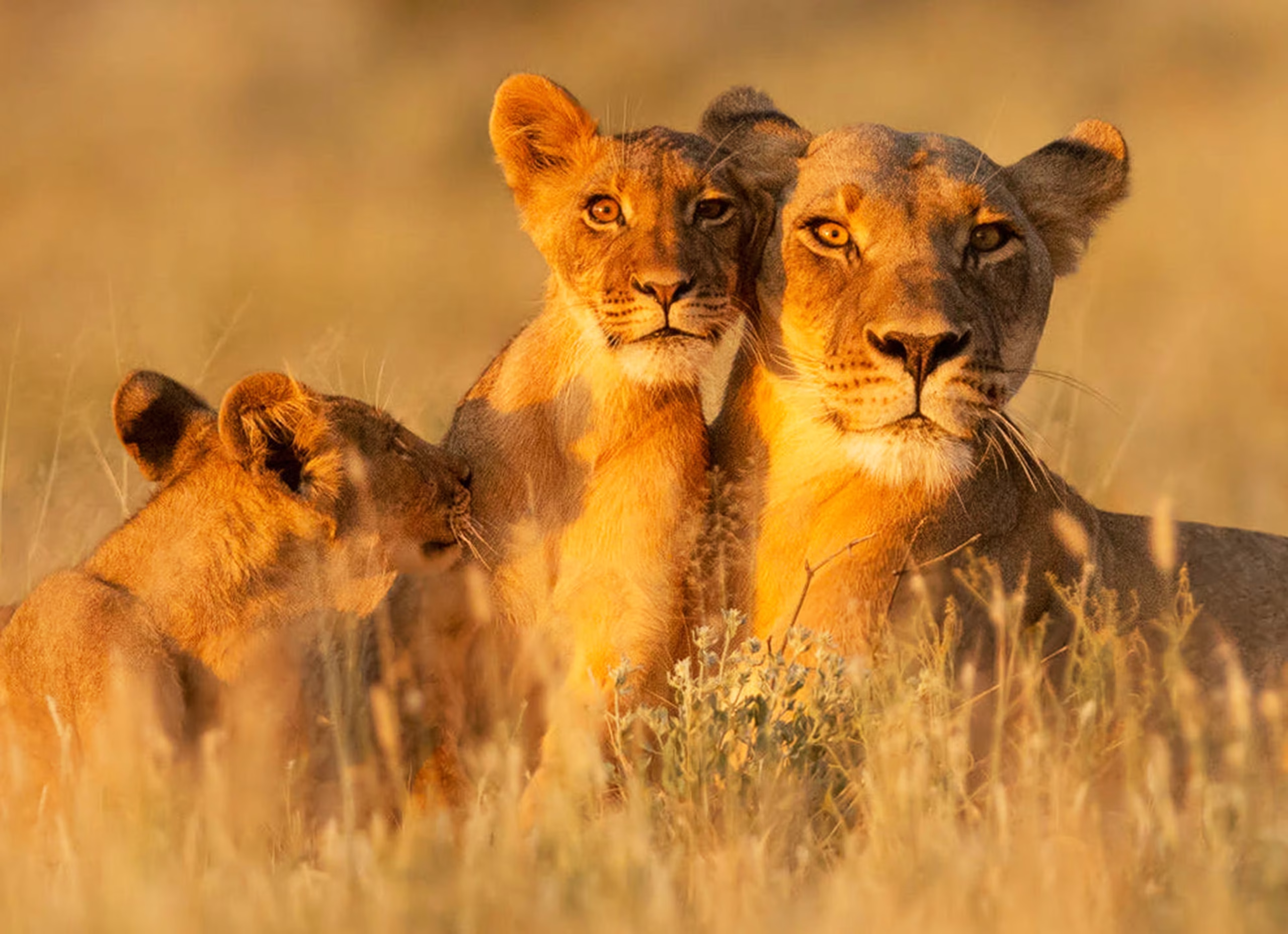
African Lion

african lion

tree-climbing specialists

Olive Baboon

olive baboon

east africa's densest troops

African Elephant

african elephant

forest herds

Lesser Flamingo

lesser flamingo

lake manyara at peak

Hippopotamus

hippopotamus

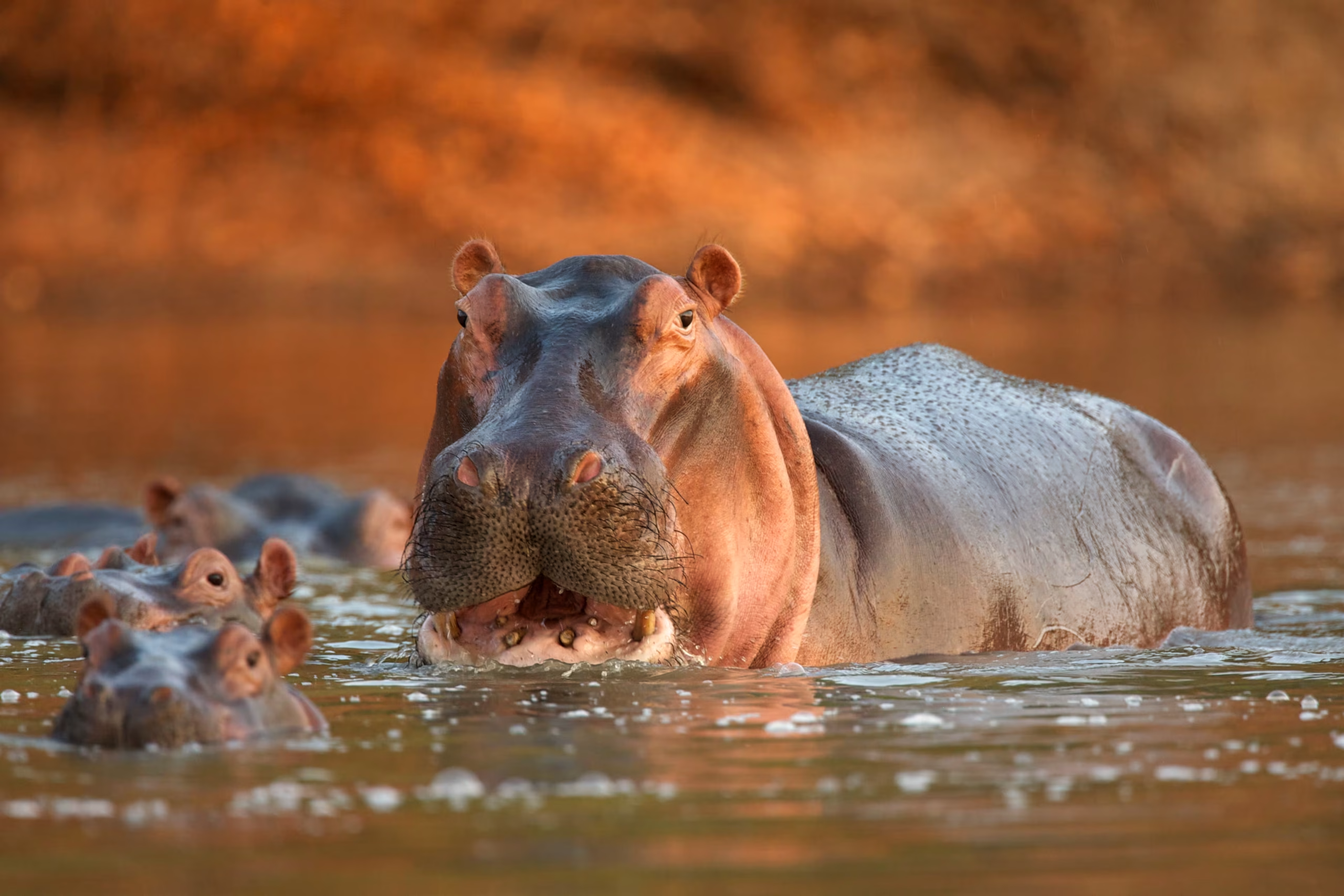
hippo pool resident

Cape Buffalo

cape buffalo

lakeshore herds

Masai Giraffe

masai giraffe

acacia browsers

Black-and-White Colobus

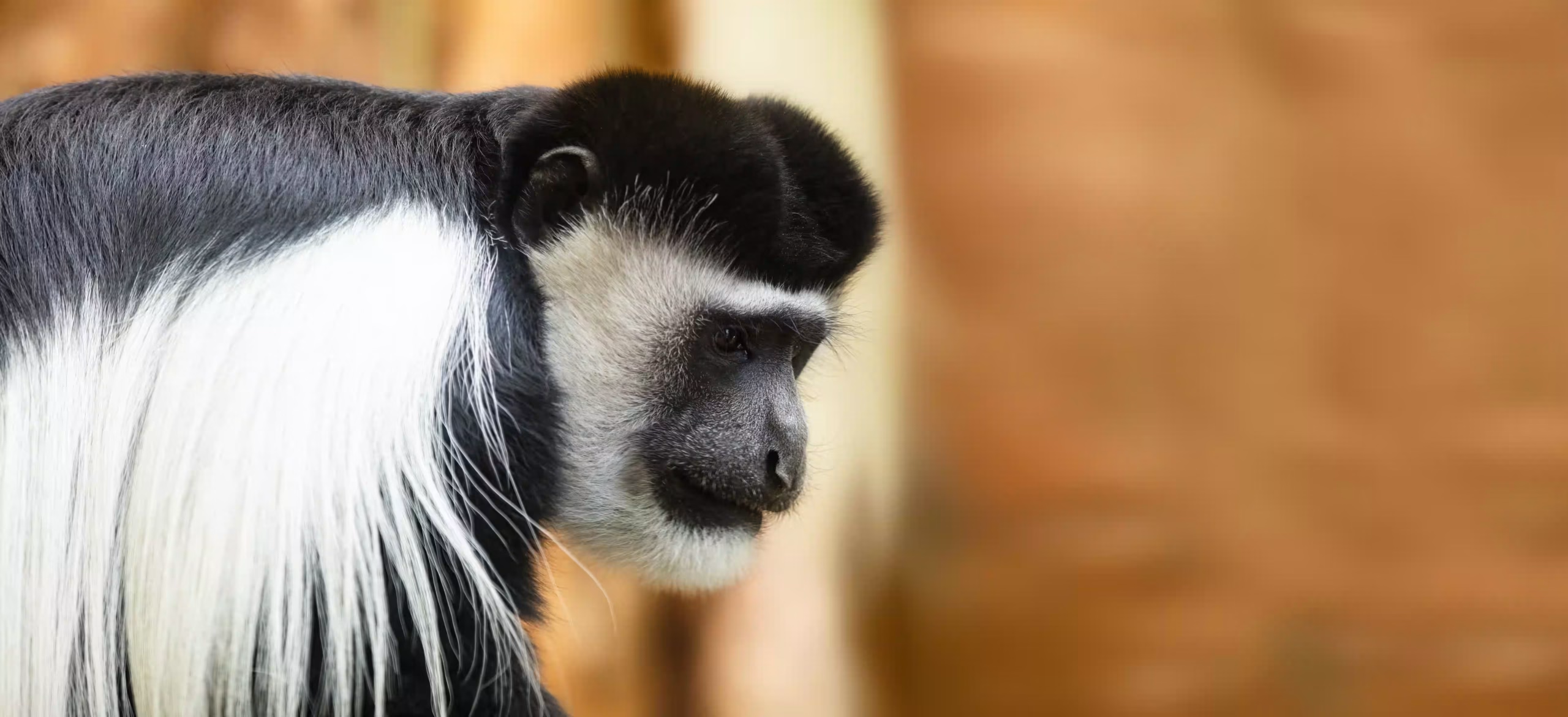
black-and-white colobus

forest canopy

when to visit

every month tellsa different story

lake manyara rewards every season — but each month wears a different face. here's a month-by-month guide to help you plan.

Jan

green & dramatic

lush vegetation, lake at high water. spectacular birding.

Feb

calving herds

beautiful skies. migratory birds present. lake full.

Mar

long rains begin

wet afternoons. lake at peak. photography light spectacular.

Apr

green season

some roads challenging. birding extraordinary. low rates.

May

rains ease

plains glow emerald. lake still full. quiet roads.

Jun

dry season opens

wildlife concentrates. tree-climbing lions visible.

Jul

excellent viewing

cool, dry, sunny. predator activity high.

Aug

peak dry

lions in trees regularly seen. cool mornings.

Sep

peak season

the single best month for tree lions. book ahead.

Oct

continued peak

driest period. wildlife concentrates at hot springs.

Nov

short rains

brief showers. lake refills. beautiful light.

Dec

festive green

manageable crowds, beautiful, value rates.

Peak season Shoulder / green season
6 iconic experiences
things to do

the lake manyara
experience in full

6 iconic ways to immerse yourself in this extraordinary wilderness — each one chosen for what makes Lake Manyara unique.
Game drives Activity 01

game drivesforest to lakeshore

half-day or full-day drives crossing all of manyara's habitats — from the groundwater forest at the entrance, through the acacia woodland (where the tree lions rest), down to the lakeshore where flamingos and hippos gather.

Duration4–8 hrs
Best timeYear-round
IncludedAll safaris
Explore Activity
Treetop Walkway Activity 02

treetop walkwaycanopy perspective

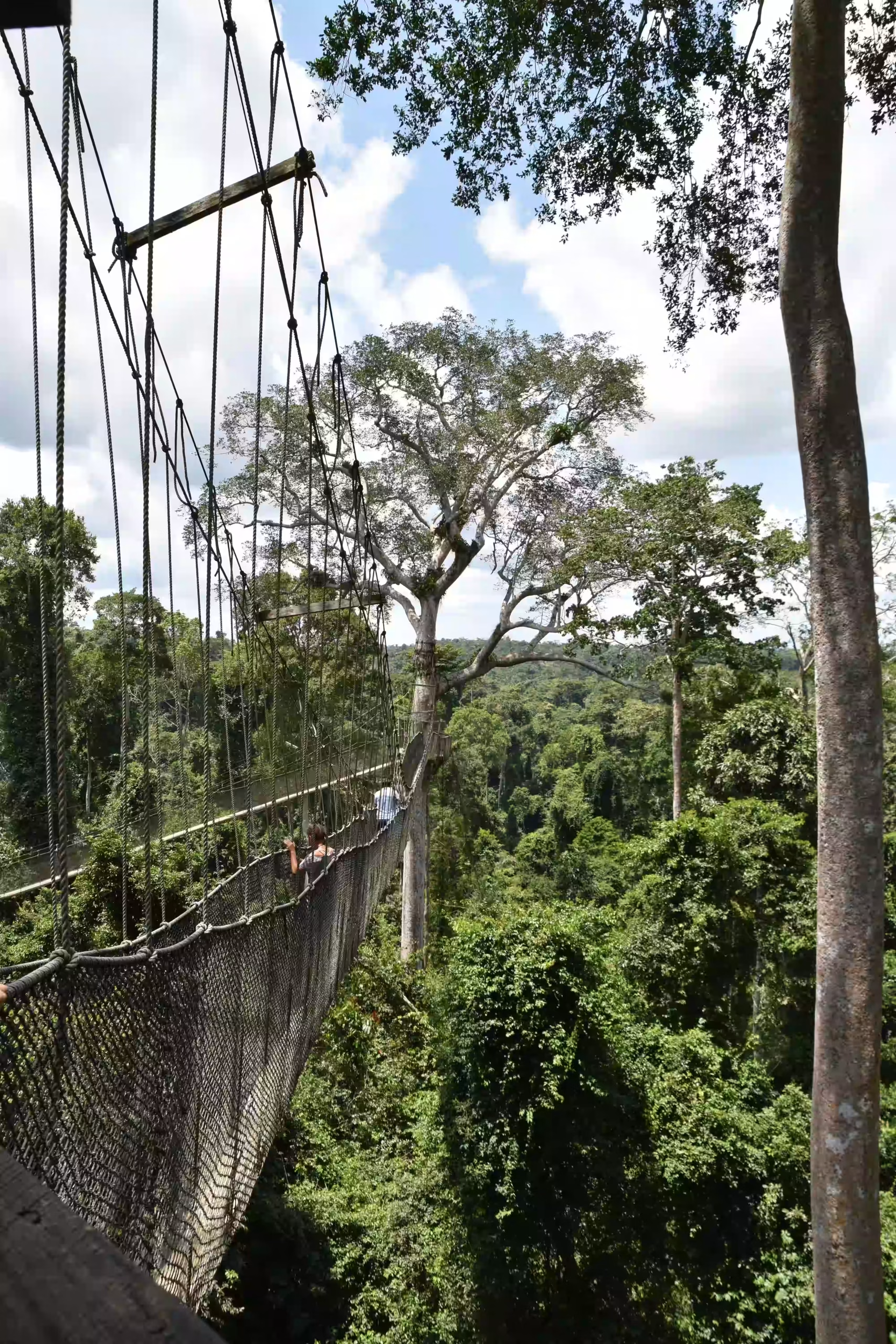
a 370-metre suspended canopy walkway through the groundwater forest — six platforms linked by gently swaying bridges, rising to 18 metres above the forest floor. colobus monkeys close by, and bird's-eye views of elephants below.

Duration90 min
DifficultyEasy
Cost$45pp
Explore Activity
Night drives Activity 03

night drivesa different forest

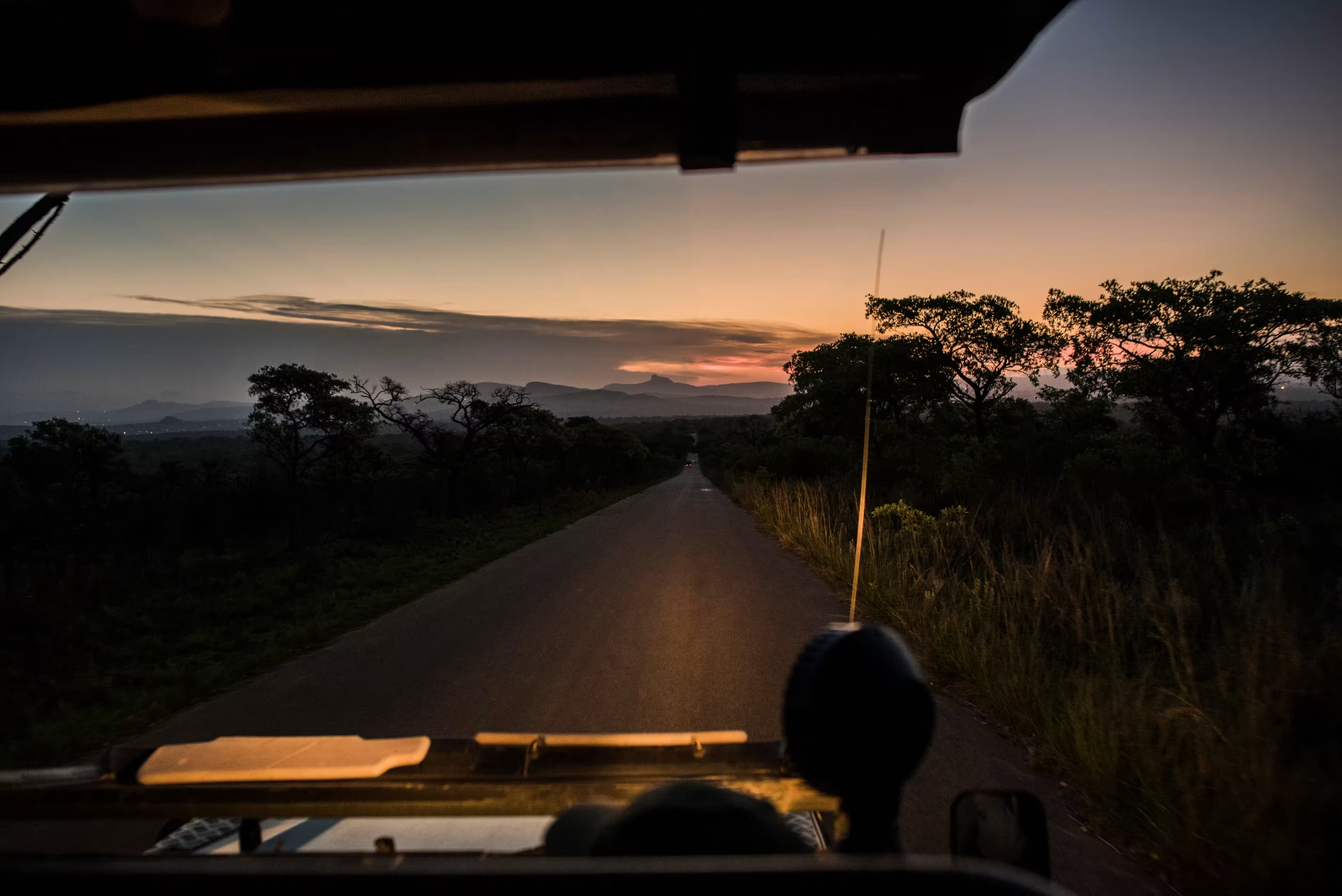
allowed only with a park ranger, night drives open up manyara's after-dark life — civets, genets, bushbabies, owls, leopards on the move, and hippos out of the water. spotlights handled by your guide. two-hour evening drives.

Duration2 hrs
WherePark-wide
From$80pp
Explore Activity
Mountain biking Activity 04

mountain bikingthe escarpment

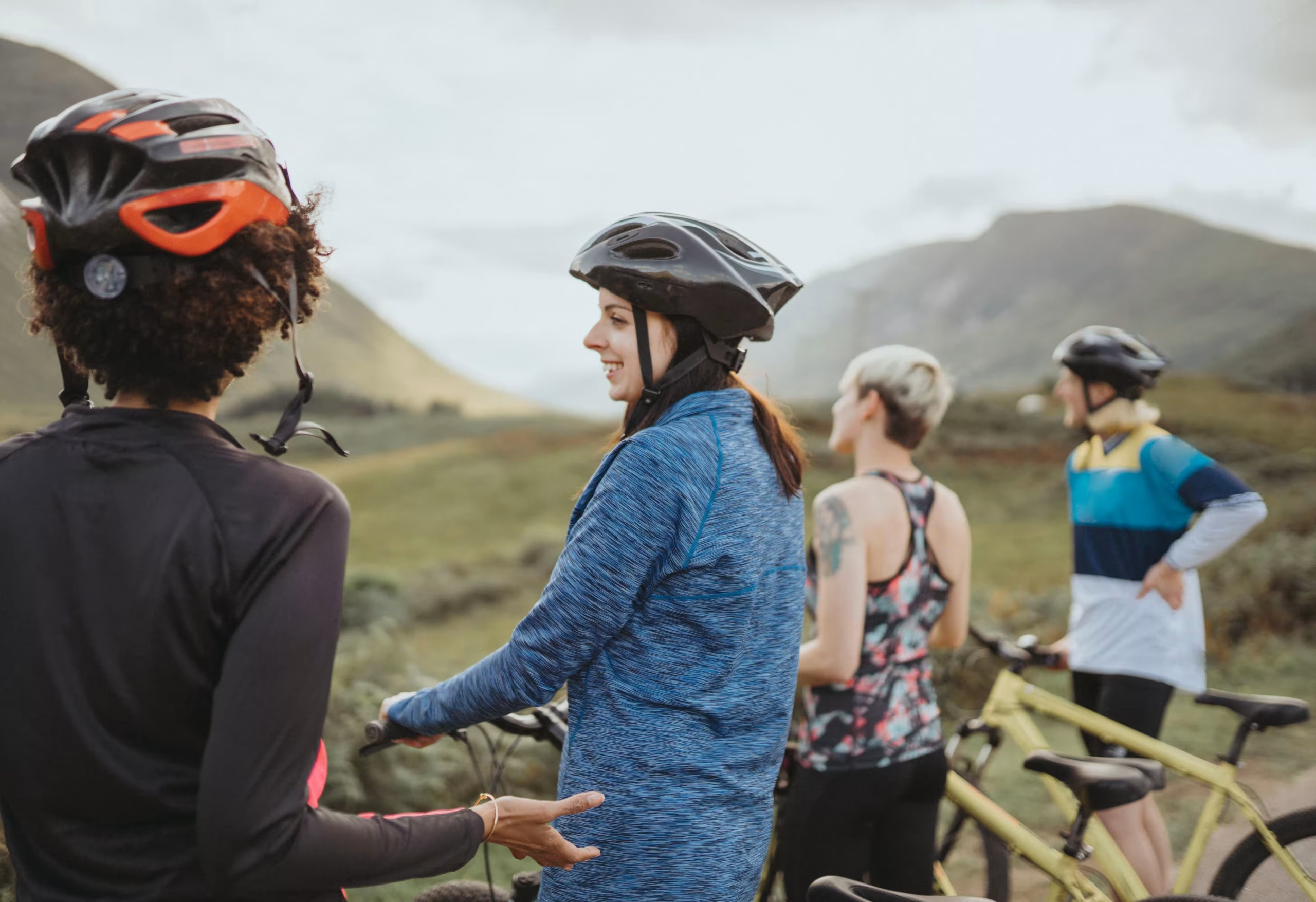
guided mountain-bike trips along the rim of the rift valley escarpment above the lake — through mto wa mbu village, banana plantations, and maasai grazing land. wonderful views, gentle terrain, and a real sense of the place.

Duration3–4 hrs
DifficultyModerate
From$70pp
Explore Activity
Canoeing on Manyara Activity 05

canoeing on manyarawhen water is high

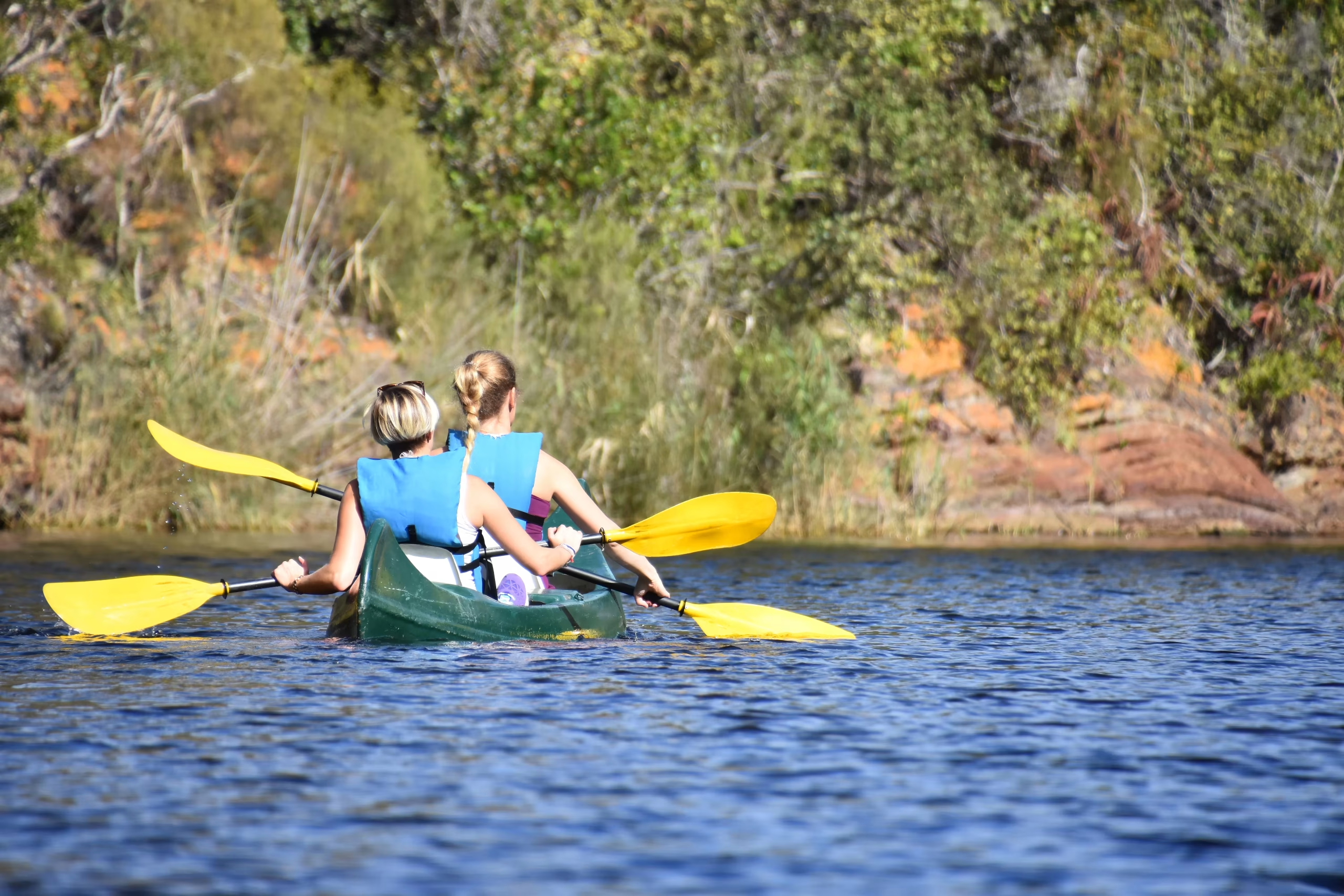
when the lake is high (dec–may), guided canoe trips give you a water-level view of hippos, water birds, and the rift escarpment rising above. offered by a handful of operators, in season only.

Duration2 hrs
WhereLake
From$95pp
Explore Activity
Cultural village tours Activity 06

cultural village toursmto wa mbu

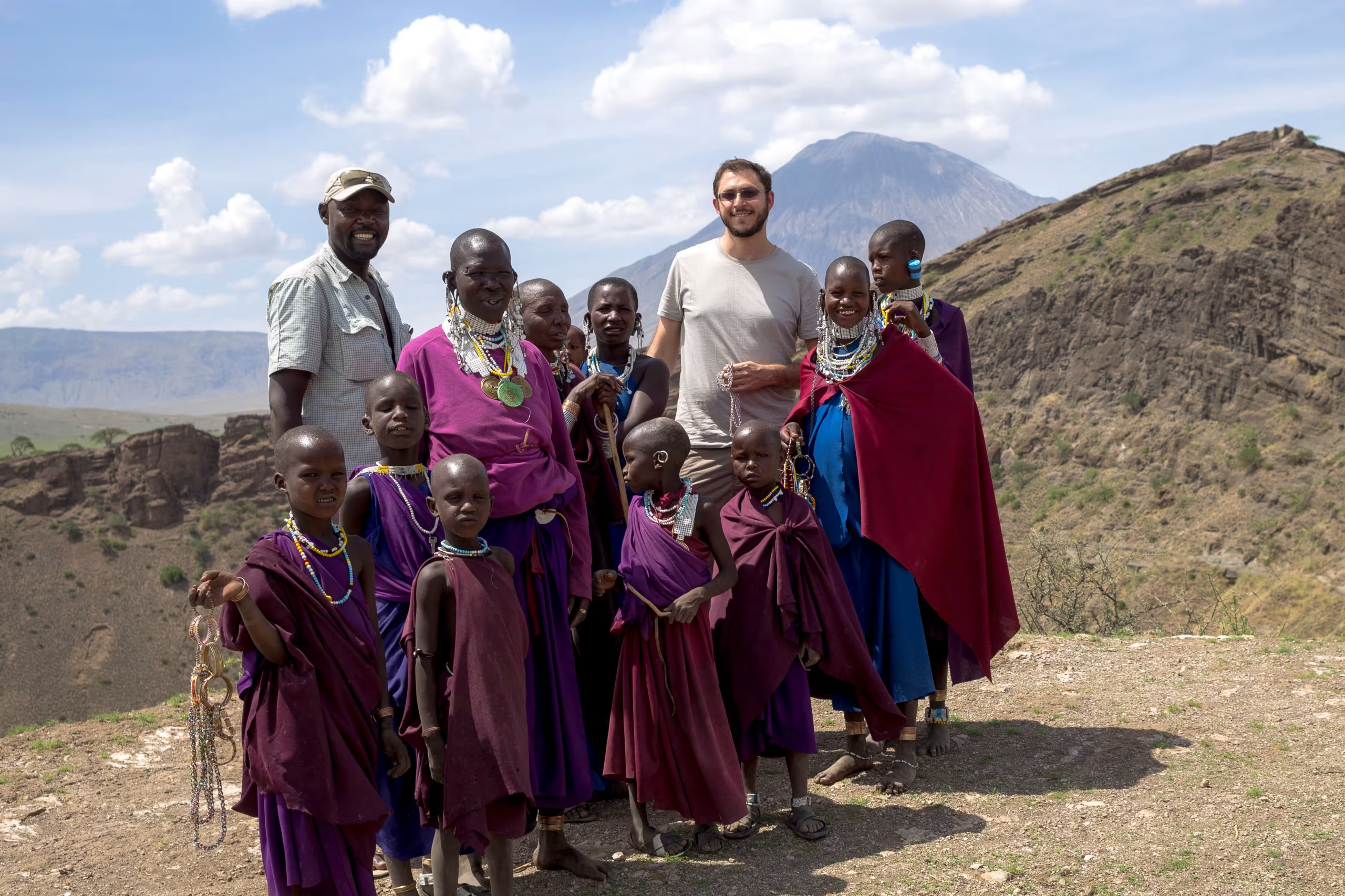
a community-led walking tour of mto wa mbu — one of tanzania's most diverse villages, home to people from more than 120 of the country's 130 tribes. banana plantations, traditional markets, and a meal in a family home.

Duration4 hrs
WhereMto wa Mbu
Cost$55pp
Explore Activity
01 / 06
where to stay

from luxury tents toauthentic camps

lake manyara offers places to stay across three tiers — from five-star indulgence for honeymooners to warm, great-value camps with real character. we work across all of them, and we choose for fit, never for commission.

Escarpment lodges
— tier 01 · luxury

escarpment lodges

from $720 — $1,650 per person per night

breathtaking lodges perched on the escarpment 670 metres above the lake, with private decks, plunge pools, and views right across the rift valley floor. many offer the canopy walk and night drives.

  • &Beyond Lake Manyara Tree Lodge
  • Lake Manyara Kilimamoja Lodge
  • Escarpment Luxury Lodge
  • Manyara Ranch Conservancy
Rim & valley lodges
— tier 02 · mid-range

rim & valley lodges

from $280 — $520 per person per night

comfortable lodges either on the escarpment rim or in the nearby karatu valley. lovely food, full game-drive programmes, and most of the same sightings as the luxury tier.

  • Lake Manyara Serena
  • Lake Manyara Sopa
  • Kirurumu Manyara
  • Rhotia Valley Lodge
Mto wa Mbu camps
— tier 03 · tented

mto wa mbu camps

from $180 — $320 per person per night

tented camps and family lodges around mto wa mbu, at the foot of the escarpment. the most personal of all — small operations, warm welcomes, and surprisingly close encounters with both the village and the wildlife.

  • Migunga Forest Camp
  • Twiga Lodge
  • Maramboi Tented Lodge
  • Lake Manyara Tented Camp
getting there

by airor by road

lake manyara is just under 2 hours from arusha — the closest national park entry on the northern circuit. it works beautifully as the first stop on a circuit, or as a final relaxed day before you fly home.

by road

the arusha drive

1.5 to 2 hours by good tarmac from arusha, and the descent off the escarpment opens up sweeping views of the lake and rift floor. the drive itself is part of the safari.

by air

manyara airstrip

daily flights from arusha and kilimanjaro to manyara airstrip — a 30-minute hop. handy when time is tight, or for connecting straight on to the serengeti.

combine

northern circuit gateway

pair manyara with tarangire (45 min), ngorongoro (1.5 hrs) and serengeti (4 hrs). often the first overnight stop on a multi-park northern circuit.

entry fees

tanapa standard

park entry is $59 per adult per day, $18 for children 5–15. the treetop walkway is $45 per adult, $25 per child. it's all wrapped into our standard itinerary pricing.

frequently asked

practicalquestions

two years of guiding lake manyara means we've answered these questions many times over. if there's something we haven't covered, just ask — we reply to every enquiry within 24 hours.

one full day or a single overnight is enough for most travellers. manyara is a smaller park, ideal as the first stop on a northern circuit or a final relaxed day. birders and photographers sometimes stay two nights.
sightings are seasonal and never guaranteed — the lions are most often seen in the dry season (june–october) between hippo pool and mahali pa nyati. perhaps 50–70% of dry-season travellers spot them. that element of chance is part of what makes them so special.
yes — they're quite different. tarangire is dry savannah and elephants; manyara is forest, lake, escarpment, baboons and tree lions. the two together are far better than either on its own.
no — the lake is shallow and changes with the seasons. in wet years (march–may) it covers two-thirds of the park; in dry years (august–october) it can shrink to a fraction. both have their own kind of beauty.
flamingo numbers swing dramatically with the lake conditions and algal blooms. in good years, hundreds of thousands gather; in poor years, only hundreds. we'll give you the current picture on every enquiry.
no walking is allowed inside the national park except the treetop walkway. for proper walking safaris, several lodges run guided walks in the neighbouring concessions and escarpment areas — we can arrange these on request.
plan your journey

your lake manyaraawaits

every con bush safaris journey is built around you — your dates, your budget, your dreams. tell us when you'd like to travel, and we'll shape an itinerary that puts you among the forest, lake and lions at exactly the right moment.

Loading itinerary…
Saved Trips