the light here does half the work — the rest is being in the right place at the right hour, and we make sure you always are. unhurried game drives, photographer-friendly vehicles, and guides who understand that the perfect frame is worth the wait. come home with images you'll never stop showing people.
most safaris are built for travellers who want to see as much as possible. photography safaris are built for travellers who want to come home with something memorable. the two are very different. a general safari moves on the moment the wildlife scatters; a photography safari waits, repositions, and waits some more. a general safari covers three parks in seven days; a photography safari stays four nights in one fine spot to learn the light. a general safari seats six in a vehicle; a photography safari seats four (or fewer), each with two window seats and a dedicated camera mount.
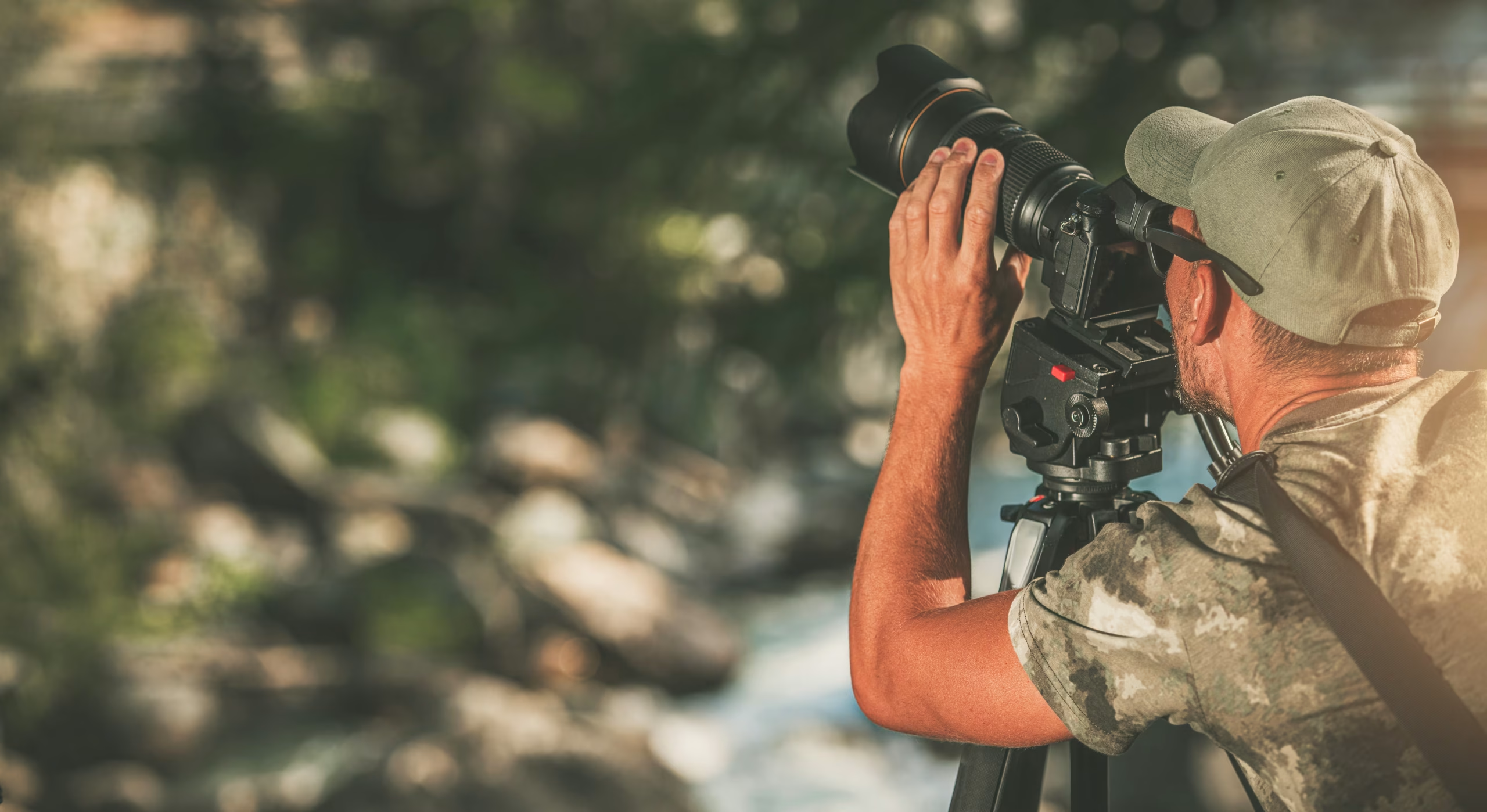
we've built our photography programme around a small fleet of custom-converted land cruisers — gimbal mounts at every window (wimberley-compatible), beanbag rests along every window rail and roof rim, dust-sealed storage between the seats, and inverters and usb charging at every seat. the guides are chosen for photographic patience and a deep read of animal behaviour — the kind who sense the moment before it happens and place the vehicle at the right angle without being asked.
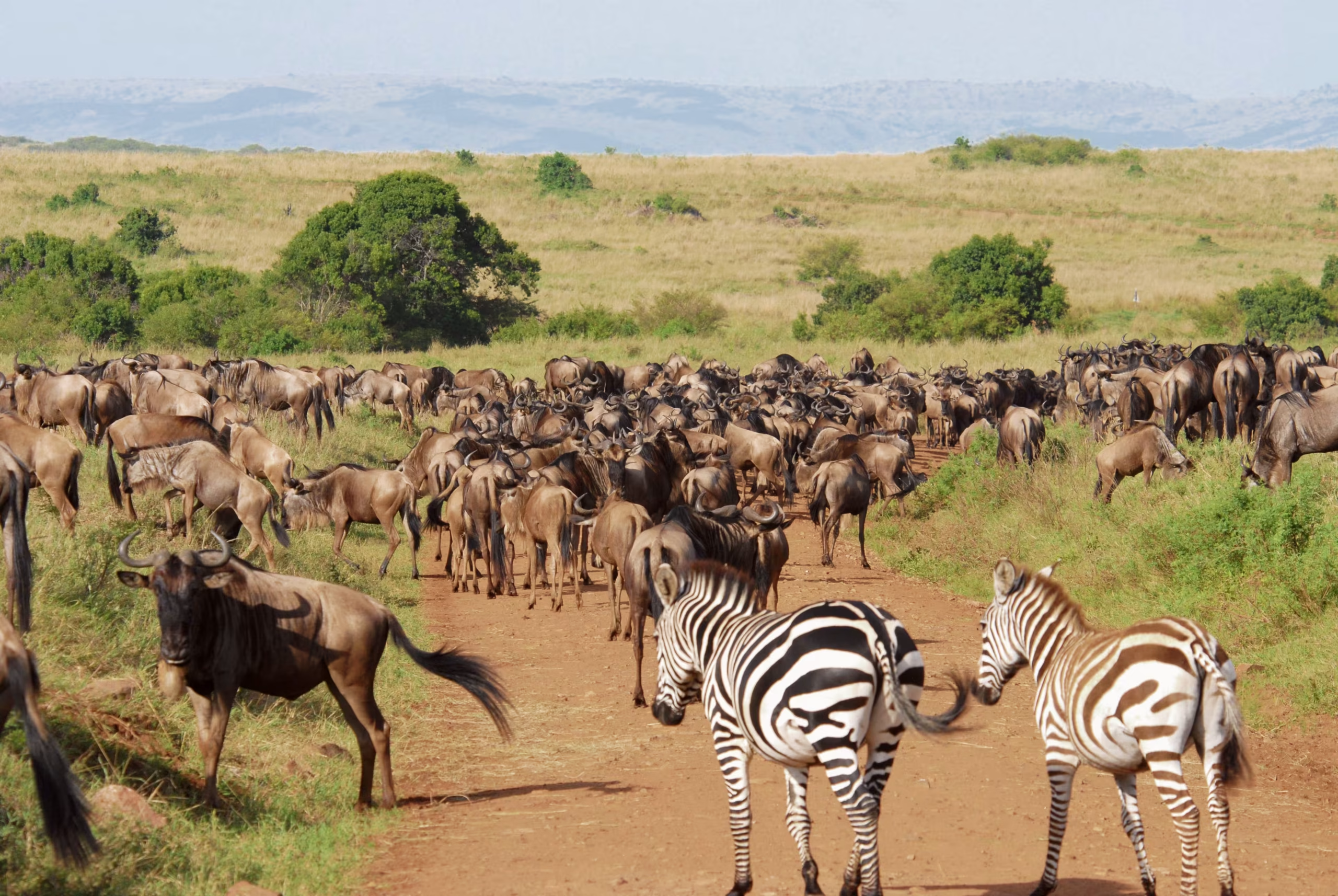
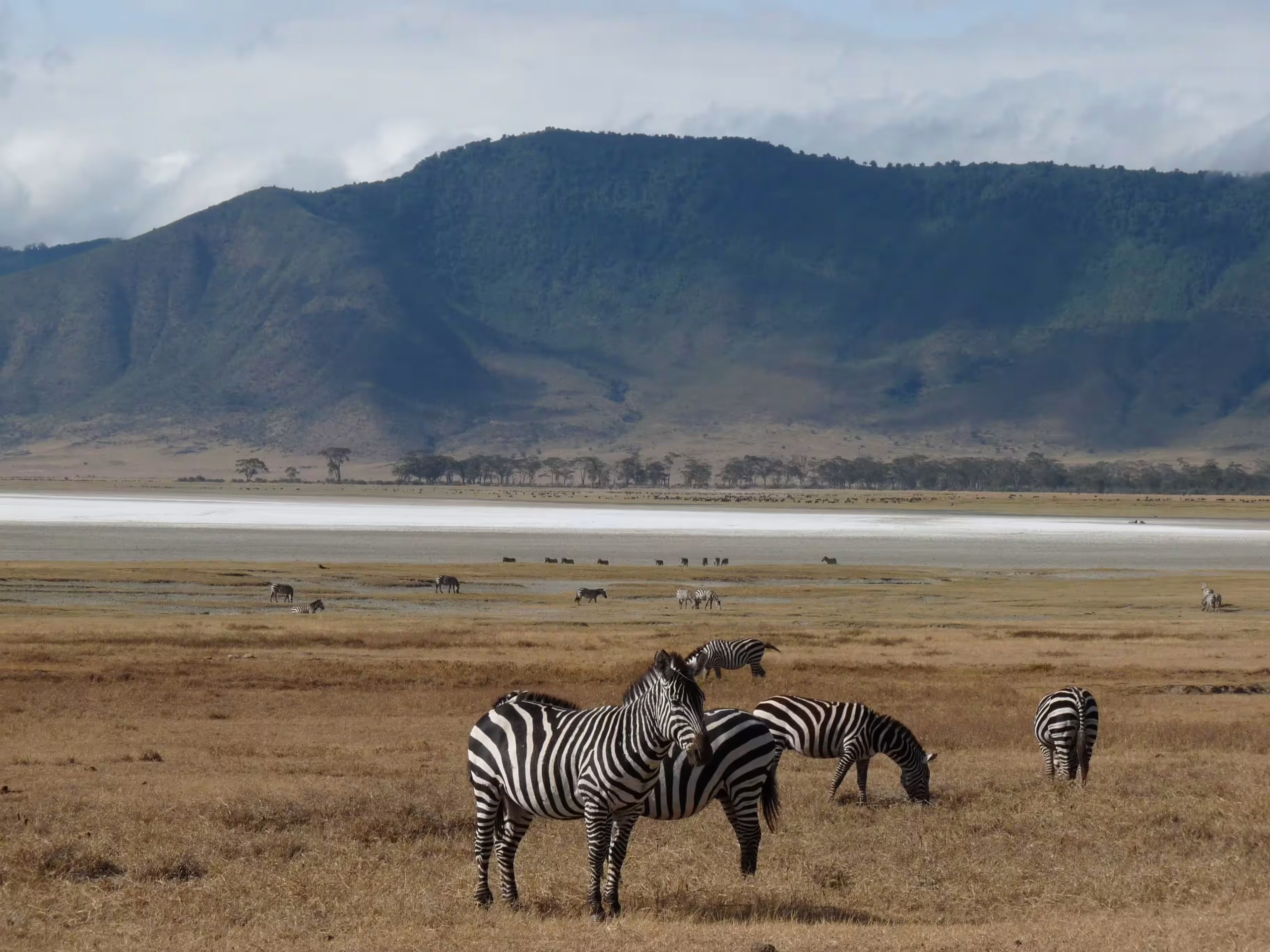
our photographic itineraries lean into longer stays — at least three nights in any one place, often four or five. the serengeti in migration season, the big-cat-rich central serengeti, the predator-dense ngorongoro crater, the elephants of tarangire — these are our favourite targets. we can also shape a trip around a single subject: the cheetahs of the southern plains, the leopards of manyara forest, the elusive wild dogs of ruaha. tell us what you want to photograph, and we build the safari around it.
predator action, classic safari light, plains forever
Explore park →
wildlife density, dramatic backdrop, low-angle morning light
Explore park →
mega-prides, elephant herds, less photographed than the north
Explore park →
elephants, baobabs, sunset silhouettes
Explore park →
photography rewards you year-round, but our peak picks are: late august through october (the mara crossings, dust, dramatic light); february (calving and predator action); and march (green landscapes and dramatic post-rain skies for landscape work).
we'd suggest bringing a 200–500mm or 200–600mm telephoto plus a wide-angle for landscapes, and two camera bodies if you can. we can arrange equipment rental in arusha, though the choice is limited.
itineraries designed around light, predators, and wildlife behaviour
4 Nights Serengeti — Follow the Herds
Premium Camps That Move With the Herds
Wildlife, Culture & Remote Wilderness
tell us your dates and what matters most to you. we design every photography safari personally.